
Key takeaways
- Thin, light, and portable designs built for commuting and travel.
- Strong battery life on efficient configurations.
- Wide spec range from budget to genuinely capable multitaskers.
- Premium touches like fast charging and webcam shields on better models.
What's inside
The ultrabook promise is seductive: a thin, light laptop that slips into any bag, lasts all day on battery, and still handles real work without breaking a sweat. In 2026 the category spans genuinely premium thin-and-lights and a wave of value-oriented machines that borrow the ultrabook name. Sorting the truly portable performers from the merely slim requires looking past the marketing to the specs that count.
We reviewed a cross-section of ultrabook and thin-and-light laptops to assess build quality, performance, and battery life. This buyer’s guide helps you find a machine that balances portability with the power you actually need.
As an Amazon Associate we earn from qualifying purchases at no extra cost to you. Product prices and availability are accurate as of the date shown and are subject to change.




🎮 Get More From Your Setup — Free
Prime Gaming gives you free PC games every month, in-game loot, and a free Twitch channel sub — plus fast free shipping on all the gear above. New members get a 30-day free trial.
Watch: Ultrabook Laptop Reviews: Review & Buyer’s Guide — Video Review
Design & Build
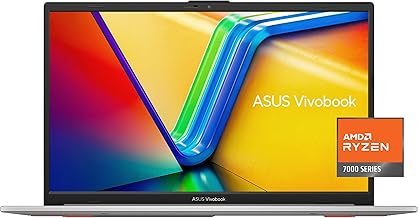
Ultrabooks are defined by their thin, lightweight chassis, and this group ranges from the sturdy, portable ASUS Vivobook Go 15.6-inch with military-grade durability to HP’s slim 14 and 15.6-inch Ultrabook models in eye-catching finishes like rose gold and green. The NIMO 15.6-inch leans toward a more substantial build to accommodate stronger internals, while HP’s Stream 14-inch prioritizes featherweight portability in a fun color. Across the board, expect comfortable keyboards, respectable port selections with Wi-Fi 6, and displays that favor 14 to 15.6-inch full HD panels. Premium models add webcam shields and fast charging for extra polish.
Performance
Here the ultrabook label covers a wide spectrum. The NIMO 15.6-inch stands out as a performance pick, pairing an AMD Ryzen 5 6600H with a generous 32GB DDR5 and a 1TB SSD for light gaming and serious multitasking. HP’s 15.6-inch 2026 Ultrabook with 16GB RAM and a 512GB SSD strikes a strong everyday balance, while the ASUS Vivobook Go with a Ryzen 5 7520U delivers dependable productivity and long battery life. At the entry end, the HP Stream and quad-core HP Ultrabook 14 models suit browsing, streaming, and documents, where their efficiency and portability shine over raw speed.
Pros & Cons
- Thin, light, and portable designs built for commuting and travel.
- Strong battery life on efficient configurations.
- Wide spec range from budget to genuinely capable multitaskers.
- Premium touches like fast charging and webcam shields on better models.
- Entry models with minimal RAM feel sluggish under load.
- Limited upgradeability in the thinnest chassis.
- Integrated graphics restrict serious gaming and heavy creative work.
Alternatives to Consider
If you need discrete graphics for gaming or creative workloads, a slim gaming laptop offers ultrabook-like portability with far more muscle, at the cost of battery life. Buyers focused purely on value should compare these ultrabooks against seasonal deals on mainstream 15.6-inch laptops. For maximum battery and simplicity, a premium Chromebook can outlast and undercut a budget Windows ultrabook if your work lives in the browser.
Frequently Asked Questions
What makes a laptop an ultrabook?
Ultrabooks emphasize a thin, light chassis, solid battery life, and SSD storage. The term is loosely applied today, so focus on weight, battery, and specs rather than the label itself.
How much RAM should an ultrabook have?
Aim for at least 16GB for comfortable multitasking. Configurations like the NIMO’s 32GB are excellent for power users, while 8GB suits only light everyday use.
Can ultrabooks handle gaming?
Most rely on integrated graphics suited to light or older titles. The NIMO’s Ryzen 5 6600H manages light gaming, but dedicated gaming laptops are better for demanding play.
Are ultrabooks good for battery life?
Yes, efficient models like the ASUS Vivobook Go deliver long unplugged runtimes, one of the category’s core strengths alongside portability.
Verdict
The best ultrabook depends on your priorities: the NIMO 15.6-inch is our pick for performance-hungry users wanting 32GB RAM and light gaming, while HP’s 16GB 2026 Ultrabook offers the best everyday balance. Budget-focused buyers and frequent travelers will appreciate the efficient, portable ASUS Vivobook Go.


