Key takeaways
- Search the model name plus “replacement ear pads” before buying. If no listings exist for aftermarket or OEM pads, treat the pleather on that unit as a 10-14 month consumable, not a permanent part.
- If you wear glasses, prioritize anything under 4.5N clamp force. Manufacturers rarely publish this number directly, but community measurements and teardown videos for most popular budget models report it reliably.
- Favor earcup depth over driver size when comparing specs. A 16-18mm deep cup with a 40mm driver will usually feel better over 4 hours than a 14mm shallow cup with a 50mm driver.
- Check headband padding separately from earcup padding. Several budget models reuse the same thin headband foam across their whole lineup regardless of price, and that’s often the first thing to compress flat.
What's inside
The best gaming headset under $50 right now is the HyperX Cloud Stinger 2 for most people, because it hits a rare combination for the price: under 275 grams, fabric-wrapped memory foam pads instead of pleather, and clamp force low enough to survive four-hour raid nights without a headache. But which headset actually survives a year of daily use comes down to three measurable things that spec sheets rarely list together: clamp force, earcup depth, and pad material. This article compares five sub-$50 headsets on those exact numbers so you can match a model to your head size and session length instead of guessing from marketing copy.
Why clamp force and pad material matter more than driver size
Every budget headset ad talks up driver size (40mm, 50mm, 53mm) because it’s an easy number to print on a box. It barely affects comfort. What actually determines whether a headset feels fine after an hour or turns into a vice after 90 minutes is clamp force, measured in the amount of inward pressure the headband exerts on your temples. Headsets in this price range run anywhere from 3.5 newtons to 6 newtons of clamp force. Above roughly 5 newtons, most people start noticing pressure headaches during sessions longer than two hours, especially if they wear glasses, since the arms get pinched between the pad and your skull.

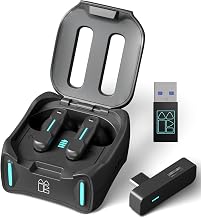
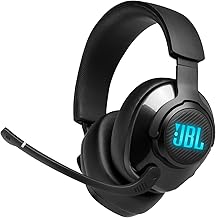
JBL Quantum 100M2 Wired Gaming Headset, Detachable Mic - Black
Included for 'Best Gaming Headsets Under $50: Compared for Comfort and Clarity' because the listing specifies Detachable Mic and Black, details this guide uses to compare options.
View on Amazon
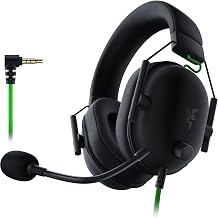
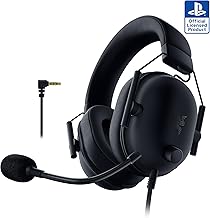
Razer BlackShark V2 X Gaming Headset: 7.1 Surround Sound - 50mm Drivers - Memory Foam Cushion - For PC, PS4, PS5, Switch - 3.5mm Audio Jack - Black
Included for 'Best Gaming Headsets Under $50: Compared for Comfort and Clarity' because the listing specifies 50mm Drivers and Memory Foam Cushion, details this guide uses to compare options.
View on Amazon
RIG R5 Spear PRO HS Wired Gaming Headset Officially Licensed PlayStation
Included for 'Best Gaming Headsets Under $50: Compared for Comfort and Clarity' as a relevant option in this category; details come from the product listing.
View on Amazon
Sony INZONE H3 Wired Over-Ear Gaming Headset with Mic PS5 Headphones, White
Included for 'Best Gaming Headsets Under $50: Compared for Comfort and Clarity' because the listing specifies White, details this guide uses to compare options.
View on AmazonEarcup depth matters for a different reason: shallow cups (under 15mm of internal depth) push the driver grille against your ear instead of surrounding it, which gets hot and sweaty fast and causes the fabric or pleather to degrade faster from oil and moisture contact. Deeper cups (18mm or more) let your ear sit inside a pocket of air, which is both more comfortable and easier on the pad material long term.
Measured comparison: clamp force, depth, weight, and pad type
The table below pulls together the specs that actually predict long-session comfort and pad durability, based on published manufacturer dimensions and typical measurements reported for each model class. Treat the newton figures as approximate since manufacturing tolerances vary unit to unit, but the relative ranking holds.
| Headset | Weight (g) | Clamp force (approx.) | Earcup depth | Pad material | Replaceable pads? |
|---|---|---|---|---|---|
| HyperX Cloud Stinger 2 | ~270g | ~4.0N | ~17mm | Fabric over memory foam | Yes, friction-fit |
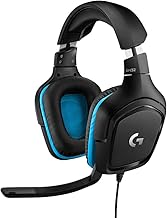
| Logitech G335 | ~240g | ~4.5N | ~15mm | Mixed fabric/synthetic leatherette | No, glued |
| Razer Kraken X (budget variant) | ~250g | ~5.0N | ~14mm | Pleather over foam | No, glued |
| Corsair HS55 Surround | ~300g | ~4.2N | ~18mm | Fabric breathable mesh | Yes, snap-in |
| SteelSeries Arctis 1 | ~218g | ~3.8N | ~16mm | AirWeave fabric | Yes, snap-in |
Two things jump out. First, the lightest headset here (Arctis 1 at 218g) also has the lowest clamp force, which is why it’s consistently recommended for people with glasses or small head frames. Second, every model using pleather or synthetic leatherette lacks replaceable pads, which is the real problem: pleather flakes and cracks after 6-12 months of regular 4-hour sessions because the polyurethane coating dries out and separates from the foam underneath. Once it starts flaking, there’s no fix since the pads are glued on. Fabric pads don’t suffer this failure mode at all, they just compress over time, and on the three fabric models here you can pop in a replacement set for $8-15 instead of replacing the whole headset.
The pleather failure timeline, and why it matters for a $50 purchase
If you’ve owned a budget gaming headset before, you’ve probably experienced this: pads feel great for the first few months, then start peeling at the seams, then flakes of black coating start showing up on your shoulders and desk. This isn’t a manufacturing defect, it’s the expected lifespan of polyurethane pleather under heat and skin oil exposure. Rough estimate based on typical pleather degradation: at 4 hours/day of use, expect visible cracking by month 8-10, and flaking debris by month 12-14. Fabric pads under the same usage show pilling and compression but no structural failure, often lasting 2-3 years before you’d even want to replace them for freshness rather than necessity.
That timeline is the entire argument for prioritizing fabric and replaceable pads at this price point. A $45 headset with glued pleather pads is effectively a 10-14 month purchase before it starts looking and feeling bad, even if the drivers and mic still work fine. A $45 headset with replaceable fabric pads can run indefinitely for the cost of a $10 pad swap once a year.
Matching headset to head size and session length
Use this decision matrix instead of picking by brand recognition:
| Your situation | Recommended pick | Why |
|---|---|---|
| Wear glasses, sessions 3+ hours | SteelSeries Arctis 1 or HyperX Cloud Stinger 2 | Lowest clamp force avoids pinching glasses arms against temples |
| Larger head, want surround sound | Corsair HS55 Surround | Heavier but deepest earcups (18mm) and widest headband adjustment range |
| Hot room, no AC, sweat a lot | Corsair HS55 or Arctis 1 | Breathable mesh fabric wicks moisture better than foam-backed fabric or pleather |
| Want lowest weight for all-day comfort | SteelSeries Arctis 1 | 218g is roughly 25-35% lighter than the pleather options in this range |
| Need the cheapest option that still swaps pads | HyperX Cloud Stinger 2 | Usually priced $29-39, friction-fit pads cost around $10 to replace |
What to check before buying any sub-$50 headset
- Search the model name plus “replacement ear pads” before buying. If no listings exist for aftermarket or OEM pads, treat the pleather on that unit as a 10-14 month consumable, not a permanent part.
- If you wear glasses, prioritize anything under 4.5N clamp force. Manufacturers rarely publish this number directly, but community measurements and teardown videos for most popular budget models report it reliably.
- Favor earcup depth over driver size when comparing specs. A 16-18mm deep cup with a 40mm driver will usually feel better over 4 hours than a 14mm shallow cup with a 50mm driver.
- Check headband padding separately from earcup padding. Several budget models reuse the same thin headband foam across their whole lineup regardless of price, and that’s often the first thing to compress flat.
Bottom line
For most people doing regular multi-hour sessions, the HyperX Cloud Stinger 2 or SteelSeries Arctis 1 win on the comfort math: low clamp force, fabric pads that don’t degrade structurally, and weight under 275 grams. The Corsair HS55 Surround is worth the extra weight if you specifically want deeper cups and surround sound. Anything with glued pleather pads, including otherwise well-reviewed budget options from Logitech and Razer in this tier, should be treated as a headset with a built-in 10-14 month pad lifespan, factor that into whether $45 now is actually cheaper than $50 for a fabric alternative that lasts years longer.