Our Top Picks
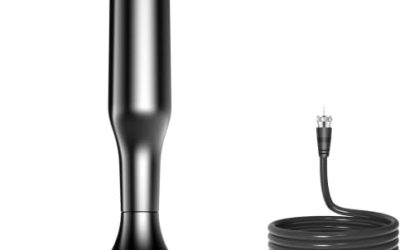
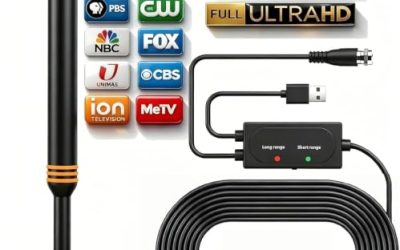
 Cell Phone Signal Strength Booster Antenna for Cars1.76 x 1.76 inches5 x 1.25 x 12 inches0.08 PoundsCheck on Amazon
When people search for signal booster antennas, they usually mean one of three different things: the outside antenna that grabs a weak tower signal, the inside antenna that rebroadcasts it, or a complete kit that includes both along with an amplifier. Mixing those up is the most common way to waste money in this category. A rooftop antenna cannot make a signal out of nothing, and a powerful amplifier is useless if its outside antenna sits in a spot that hears no tower at all.
This guide is for rural homeowners, truckers, boaters, and anyone working from a metal-roofed office or a concrete basement where bars vanish. We sort six listings into home kits, vehicle options, and an antenna upgrade, using only what each listing states. As of 2026, a booster still needs at least some outdoor signal to amplify, so measure your bars outside first, and match the product to the carrier bands you actually use.
Quick Picks

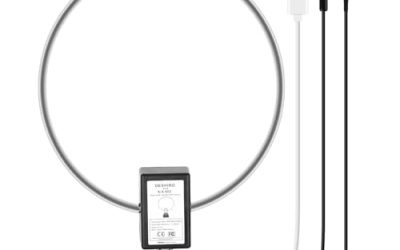
Phonetone Cell Phone Signal Booster for Band 12,13,17 | Boost 4G LTE 5G Verizon and AT&T Signal on Band 12/13/17 | 65dB Cellular Repeater with High Gain Antennas | FCC Approved
One of the consumer electronics options compared in this guide.
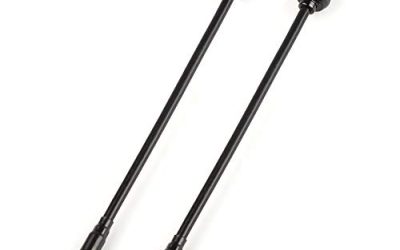
View on AmazonCell Phone Signal Strength Booster Antenna for Cars and Trucks, Car Mount Passive Repeater Antenna - Automotive Reception Amplifier-Wireless Verizon AT&T Sprint, Tmobile, MetroPCS 5G 4G LTE By Cellet
One of the consumer electronics options compared in this guide.
View on Amazon
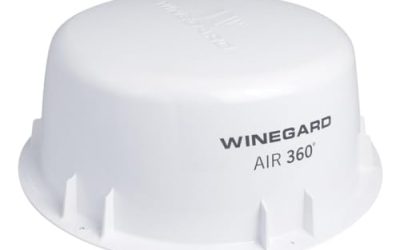
Cell Phone Booster for Home & Multiroom | Up to 8,000 sq ft|Boost Cellular Signal for All U.S. Carriers | Cell Phone Signal Boosters with 2 Inside Antennas | FCC Approved
One of the consumer electronics options compared in this guide.
View on Amazon
Cell Phone Booster for Home Office | 2 Inside Antennas| Boosts 5G & 4G LTE | Cell Phone Signal Booster for All U.S. Carriers| Up to 8100 Sq.Ft | FCC Approved
One of the consumer electronics options compared in this guide.
View on AmazonCar Cellular Phone Signal Booster & Repeater Antenna 5G, 4G LTE for Verizon At&t Sprint T-Mobile Phones by Cellet
One of the consumer electronics options compared in this guide.
View on Amazon
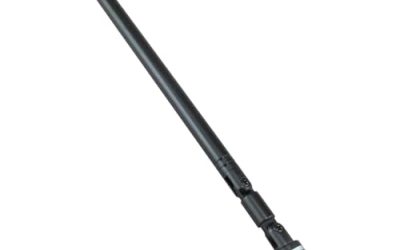
weBoost Overland Antenna for Drive Reach Cell Phone Signal Boosters | Boosts 5G & 4G LTE for All U.S. Carriers - Verizon, AT&T, T-Mobile & More | Made in the USA | FCC Approved (Model 311248)
One of the consumer electronics options compared in this guide.
View on Amazon| Product | Best for | Key spec |
|---|---|---|
| Phonetone Band 12/13/17 Booster | Verizon and AT&T users on lower bands | 65dB gain, Band 12, 13, 17 |
| Passive Car and Truck Repeater Antenna | Simple vehicle reception help without power | Car mount passive repeater antenna |
| Home and Multiroom Cell Booster | Whole-house coverage | Up to 8,000 sq ft, 2 inside antennas, all U.S. carriers |
| Home Office Cell Booster | Work-from-home signal | Up to 8100 sq ft, 2 inside antennas, 5G and 4G LTE |
| Cellet Car Signal Booster Antenna | Multi-carrier vehicle use | 5G and 4G LTE, Verizon, AT&T, Sprint, T-Mobile |
| weBoost Overland Antenna | Upgrading a weBoost Drive Reach setup | Antenna for Drive Reach boosters, all U.S. carriers |
How to Choose
Know your bands and your carrier
Cellular service is split across bands, and the Phonetone listing is specific: Bands 12, 13, and 17, which carry Verizon and AT&T low-band service. Broader kits advertise support for all U.S. carriers. Check which band your phone uses in its network or diagnostics settings, and favor a booster that explicitly covers it. A product that skips band information is a gamble. Also remember that 5G labels on a box do not guarantee 5G gains; many boosters amplify the LTE and low-band portions of a network while newer high-band signals behave differently.
Outside antenna placement beats raw gain
The outside antenna should mount as high as you can manage, pointed toward the nearest tower, and away from the inside antenna to avoid feedback. A gain figure like 65dB describes the amplifier, not guaranteed results. If your outdoor signal is already near zero bars, no antenna will fix it; if you have one or two bars, you have something to work with.
Coverage area and inside antennas
Home kits list coverage in square feet, such as 8,000 or 8100, which assumes strong outdoor signal and open layouts. Walls, metal siding, and low-E windows shrink real coverage. Two inside antennas, like those listed on the home kits, let you cover more than one zone, but each added antenna needs its own cable run and placement. Plan the cable route before you buy, because long runs lose some signal, and a thin cable squeezed through a window frame can be damaged by repeated closing.
Passive versus powered, and where cheap kits cut corners
A passive antenna has no amplifier, so it only improves the connection path, which can help in a vehicle with a weak phone antenna. Powered boosters do more but must be certified and used with the right cabling. Be careful with unbranded listings that omit certification or carrier information, and avoid stick-on antenna decals, which add no measurable amplification.
The 6 Best Options
Phonetone Band 12/13/17 Cell Phone Signal Booster
The Phonetone is a focused booster for Verizon and AT&T users on Bands 12, 13, and 17, with a 65dB cellular repeater and support for 4G LTE and 5G signals on those bands. It targets people in rural areas whose carriers use low-band spectrum for coverage. Low bands travel farther and pass through walls and trees better than higher ones, which is exactly why a farmhouse or lakeside cabin often leans on them. Matching the booster to those bands is more important than chasing the largest gain number.
- Strength: the listing names the exact bands, so you can match it to your phone’s network settings.
- Strength: a high gain figure suggests a strong amplifier for a single-user setup.
- Trade-off: it supports only specific carriers and bands, and the listing names only Verizon and AT&T, so other carriers should confirm band support first.
Skip it if your carrier relies on mid-band frequencies that the listing does not cover, or if you need a vehicle-ready solution.
Passive Car and Truck Repeater Antenna
This is a car-mount passive repeater antenna for cars and trucks, described as an automotive reception amplifier compatible with Verizon and other carriers. It requires no powered amplifier, so it fits drivers who want a simple fix for weak reception. Think delivery drivers, campers, and anyone whose phone struggles in a metal-bodied truck cab. There is no wiring to route through the cabin and no power budget to worry about, which makes it the lowest-effort item on this list to try.
- Strength: a passive design is simple, with no power connection to manage.
- Strength: it is aimed at vehicles, so mounting should be straightforward.
- Trade-off: passive antennas do not amplify like powered boosters, so improvement is modest.
Skip it if you need real amplification for remote highways or your phone shows no bars at all.
Home and Multiroom Cell Booster
This kit is built for whole-house coverage, listing up to 8,000 sq ft, support for all U.S. carriers, and two inside antennas. It suits larger homes where one room is not enough, and it is the better pick for families on different carriers. A two-story house with bedrooms upstairs and a living area below is the classic scenario, since each inside antenna can be placed on a different level to spread the boosted signal where people actually sit.
- Strength: multiple inside antennas can cover separate zones, such as upstairs and downstairs.
- Strength: the all-carrier claim helps households with mixed phones.
- Trade-off: the square footage assumes strong outdoor signal and open layouts.
Skip it if you only need to boost a single room or a vehicle.
Home Office Cell Booster
Designed for a home office, this kit advertises two inside antennas, support for 5G and 4G LTE across all U.S. carriers, and coverage up to 8100 sq ft. It is aimed at remote workers who need stable calls without a landline. A converted garage, a basement studio, or a metal-clad backyard office is where bars tend to vanish, and a booster paired with a well-placed outside antenna can turn dropped calls into usable ones if any outdoor signal exists.
- Strength: two inside antennas let you cover an office plus another room.
- Strength: all-carrier support avoids guessing which network your phone uses.
- Trade-off: the listing’s certification text is cut off, so confirm approval status before buying.
Skip it if you want a vehicle booster or a single-carrier option.
Cellet Car Signal Booster Antenna
Cellet’s car booster and repeater antenna lists 5G and 4G LTE support and names Verizon, AT&T, Sprint, and T-Mobile. It is aimed at commuters who switch between carriers or share a vehicle with others. Sales reps, rideshare drivers, and families passing one car between several phones benefit from a listing that does not tie the unit to one network. Installation in a vehicle usually involves mounting the antenna outside the cab and routing a cable inside, so allow time for a clean setup.
- Strength: multi-carrier support in a vehicle-focused product.
- Strength: the listing combines booster and antenna in one package for car use.
- Trade-off: Sprint appears in the listing, a sign that the product description may predate the carrier’s merger.
Skip it if you need home coverage or want a product with current, detailed band information.
weBoost Overland Antenna
The Overland is an antenna accessory for weBoost Drive Reach boosters, rather than a stand-alone kit. It lists 5G and 4G LTE support for all U.S. carriers and targets drivers who want to improve reach on a system they already own. Overlanders, ranchers, and long-haul drivers are the natural audience, since reach on empty roads depends heavily on the quality and height of the outside antenna rather than the amplifier alone. Because it is sold as an add-on for one product line, compatibility is the first thing to confirm.
- Strength: it comes from an established booster brand and is designed for a specific line.
- Strength: an outside antenna upgrade can improve reception without replacing the amplifier.
- Trade-off: it does nothing alone, since it needs a compatible Drive Reach booster.
Skip it if you do not already own a compatible weBoost booster.
Which One Fits Your Situation
You live in a rural home on Verizon or AT&T
The Phonetone is the most tailored option, since its listing names the low bands those carriers use for rural coverage. Mount the outside antenna as high as practical and place trial calls in the room that matters most before fixing anything permanently.
Your household uses several carriers
The Home and Multiroom kit supports all U.S. carriers and offers two inside antennas, which keeps everyone connected without juggling products. It also suits shared spaces such as a vacation house, where guests arrive with unknown phones and carriers.
You work from a metal-roofed home office
The Home Office booster targets that case with two inside antennas and 5G and 4G LTE support, though you should verify certification first.
You drive remote roads for work
If you already own a Drive Reach booster, the weBoost Overland is a logical upgrade. Otherwise the Cellet Car booster or the passive repeater antenna covers lighter needs, such as a commuter who loses signal in one known stretch of road.
Common Mistakes
- Buying before checking that any outdoor signal exists at your location.
- Placing the outside and inside antennas too close, which causes feedback and shuts the booster down.
- Ignoring band support and carrier compatibility on the listing.
- Expecting a passive antenna to behave like a powered booster.
- Choosing stick-on antenna decals, which do not amplify anything.
Related guides
- Retro Game Storage Cases And Displays
- Solar Chargers For Camping And Hiking
- How To Clean Retro Game Cartridges Safely
Frequently Asked Questions
Do signal booster antennas work with no bars?
Generally no. A booster amplifies an existing signal, so it needs at least a weak connection outdoors.
What is the difference between inside and outside antennas?
The outside antenna collects the tower signal, and the inside antenna rebroadcasts the boosted signal in your space. They must be separated to prevent feedback, which is why installers often put the outside antenna on a roof peak and the inside antenna on the far side of the building.
Will one booster work for all carriers?
Some kits list all U.S. carriers, while others, like the Phonetone, are tied to specific bands. Check the bands on your phone.
Are passive antennas worth buying?
They can help in vehicles with weak reception, but their gains are small compared with powered boosters. Treat them as a light fix, not a solution for dead zones. Drivers who regularly lose service in the same rural stretch will usually get more from a powered kit with a roof-mounted antenna.