Our Top Picks
 Energizer Recharge Universal Charger for NiMH Rechargeable AA2.84 x 5.08 x 11.58 inches0.98 poundsCheck on Amazon
 EBL 12+2 Bay Universal Rechargeable Battery Charger for12+2 Bay10.62 x 1.88 x 5.19 inchesCheck on Amazon
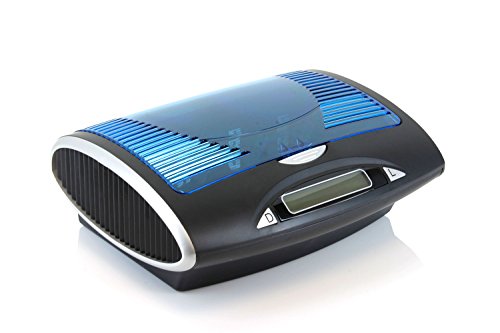 Tenergy Smart Battery Charger for NIMH/NICD AA/AAA/C/D/9V BatteriesCharger2.5 x 7 x 5 inches1.25 PoundsCheck on Amazon
Large-cell batteries are where rechargeable economics get interesting. A C or D cell sits inside a lantern, a baby swing, a boom box, a sports-field timer, or a fleet of classroom toys, and those devices swallow disposable cells at an alarming pace. A charger that actually accepts C and D cells, instead of stopping at AA and AAA, is the first filter. The second is bay count: a single four-slot unit can leave you waiting a long time when a household owns a dozen mixed cells.
This guide is for parents, teachers, campers, hobbyists, and anyone who keeps a drawer of Ni-MH cells and wants a charger that handles the big sizes without juggling adapters. The six options below range from compact LCD units to a 14-slot station, and they differ in power input, display, and extras like discharge modes and car cables. Everything is judged from the listing details, so use the trade-offs to match a charger to the way your batteries actually get used in 2026.
Quick Picks
Energizer Recharge Universal Charger for NiMH Rechargeable AA, AAA, C, D, and 9V Batteries
One of the consumer electronics options compared in this guide.
View on Amazon
EBL LCD 8 Bay Battery Charger, AA AAA C D Rechargeable Battery Charger for Rechargeable Batteries Ni-MH AA AAA C D Batteries with Type C Input
One of the consumer electronics options compared in this guide.
View on AmazonEBL 12+2 Bay Universal Rechargeable Battery Charger for AA AAA C D 9V Ni-MH Ni-CD Batteries & 9V Rechargeable Batteries (AC Power Supply)
One of the consumer electronics options compared in this guide.
View on Amazon
Battery Charger for C D AA AAA 9V Ni-MH Ni-CD Rechargeable Batteries with Discharge Function & AC Plug Included and Car Charging Cable
One of the consumer electronics options compared in this guide.
View on AmazonTenergy Smart Battery Charger for NIMH/NICD AA/AAA/C/D/9V Batteries, LCD Universal Rechargeable Battery Charger with Automatic Charge/Discharge Function & 5V USB Port for Digital Devices
One of the consumer electronics options compared in this guide.
View on Amazon
EBL D Rechargeable Batteries (4 Counts) and Universal Battery Charger | Smart Charger Compatible with C D 9V AA AAA Ni-MH Ni-CD Batteries, 10000mAh D Battery, Mercury-Free, 1200 Cycles
One of the consumer electronics options compared in this guide.
View on Amazon| Product | Best for | Key spec from the listing |
|---|---|---|
| Energizer Recharge Universal | Simple, familiar-brand setup | NiMH AA, AAA, C, D, and 9V |
| EBL LCD 8 Bay | Households with many cells | 8 bays, LCD, Type-C input, AA AAA C D |
| EBL 12+2 Bay | Large collections and workshops | 12+2 bays, Ni-MH and Ni-CD, AC power supply |
| Multi-Size Charger with Car Cable | Road trips and field use | Discharge function, AC plug, car charging cable |
| Tenergy Smart LCD | Conditioning older cells | NiMH/NiCD, automatic charge/discharge, LCD |
| Tenergy TN486U | Compact desks and USB power | 5 bays, LCD, Micro USB/Type C input |
How to Choose
Confirm the sizes and chemistries before anything else
Plenty of chargers handle AA and AAA only, so read the supported-cell line and make sure C and D appear next to your chemistry. Ni-MH is the common choice for household cells, while Ni-CD still appears in older tools and toys. A charger that lists both chemistries gives you flexibility. Never place a non-rechargeable cell in a charger, and avoid mixing old and new cells in one device afterward, since uneven capacity shortens run time.
Bay count and independent channels
Four bays suit a small household, but eight or more makes sense when you cycle through flashlights, remotes, and game controllers. The bigger question is whether each bay charges independently. Independent channels let you drop in one D cell without waiting for a pair, and they stop a single weak cell from holding the batch hostage. Where the listing mentions smart charging or a per-bay LCD, that is a good sign the unit tracks each cell on its own.
Power input and where you will use it
Most chargers come with an AC adapter, but a Type-C or Micro USB input lets you run from a power bank, a laptop port, or a car outlet adapter. A car charging cable matters for camping, job sites, and road trips. Check that the input fits the cables you already own. Be wary of chargers that rely on a proprietary brick you cannot replace if it fails. If you plan to leave the charger running overnight in a bedroom or a kid’s room, look for automatic shutoff and cell-by-cell monitoring, because a charger that cannot detect a full cell keeps pushing current and warms the battery for no benefit. Likewise, a charger with a built-in cooling vent or a roomy case shrugs off warm rooms better than a tiny sealed brick.
Capacity planning matters too. Large cells hold far more energy than AA cells, so a D cell can take many hours to refill on a modest charger. If your lantern or speaker drains a pair overnight, you will want the charger to finish before the next day. Plan for a rotation: one set in the device, one set charging, and a spare. A charger with more bays makes that rotation painless, while a small unit forces you to stagger charges and remember what is ready. Label your sets with a bit of tape so that nobody grabs a half-finished pair in a hurry, and keep the charger somewhere ventilated rather than inside a closed cabinet.
Extras worth having, and extras to ignore
A discharge function helps revive cells that have lost capacity after repeated partial charging. An LCD gives you per-cell status instead of a single blinking light. Ignore decorative extras and inflated wattage claims. Cheaper models often cut corners by skipping per-bay monitoring, so a unit that charges cells in fixed pairs can leave one battery overcooked while its partner finishes.
The 6 Best Options
Energizer Recharge Universal
This charger is the simple, familiar-name pick, supporting NiMH rechargeable AA, AAA, C, D, and 9V batteries in one unit. It fits a household that wants a tidy, no-fuss charger for flashlights, toys, and the occasional 9V smoke-detector swap, without learning a new interface.
- Strength: it covers every common household size, including 9V, in a single charger.
- Strength: the NiMH focus matches the cells most families already own.
- Trade-off: the listing does not mention extras such as an LCD or discharge mode, so it offers less visibility into cell health.
Skip it if you own Ni-CD cells or want detailed per-cell monitoring. Buyers who like to see numbers on a display will find the lack of any mention of one a real limitation, since you are left trusting indicator lights alone.
EBL LCD 8 Bay
The EBL LCD 8 Bay supports AA, AAA, C, and D Ni-MH cells and adds a Type-C input. Eight bays make it a strong match for a family that cycles through many battery sizes, from remote controls to large lanterns, and the LCD gives a quick read on progress.
- Strength: eight bays let you charge a mixed batch of small and large cells at once.
- Strength: Type-C input offers more power-source options than a fixed wall plug.
- Trade-off: the listing names Ni-MH only, with no 9V support.
Skip it if you need to charge 9V cells in the same unit. It is also worth noting that a unit built around AA, AAA, C, and D suits a home with lots of remotes and lanterns far better than one with many smoke alarms or musical gear.
EBL 12+2 Bay
This is the heavyweight of the group, with a 12+2 bay layout and support for AA, AAA, C, D, and 9V cells in both Ni-MH and Ni-CD chemistries, powered by an AC supply. It suits a workshop, school classroom, or a family with a huge pile of rechargeables, where the goal is to clear the whole drawer in one evening rather than in three rounds.
- Strength: the sheer bay count clears a large backlog in one session.
- Strength: it handles Ni-MH, Ni-CD, and 9V rechargeable cells together.
- Trade-off: a 14-bay unit takes up real counter space and is less portable.
Skip it if you only charge a handful of cells a month, since the footprint and the extra bays will sit idle most of the time and a smaller unit would tidy up a shelf nicely.
Multi-Size Charger with Car Cable
This unbranded listing covers C, D, AA, AAA, and 9V Ni-MH and Ni-CD batteries with a discharge function. It includes an AC plug and a car charging cable, making it an option for travelers and field workers who charge from a vehicle.
- Strength: the car cable adds flexibility for trips and job sites.
- Strength: the discharge function can help condition tired cells.
- Trade-off: the listing offers little detail on bay count or display, so it is harder to judge day-to-day usability.
Skip it if you want a known brand name and clear per-bay information. Because the visible listing says little about the display, buyers who want a status readout should confirm that detail with the seller before committing.
Tenergy Smart LCD Charger
Tenergy markets this smart charger for NiMH and NiCD AA, AAA, C, D, and 9V batteries, with an LCD and automatic charge and discharge functions. It fits hobbyists and tinkerers who want to refresh older cells and see what the charger is doing.
- Strength: automatic charge and discharge helps maintain cell health over time.
- Strength: the LCD makes status easy to read at a glance.
- Trade-off: the listing does not state the bay count in the visible title, so confirm capacity before buying.
Skip it if you want the biggest possible bay count for bulk charging. It is aimed at the person who values control and visibility over sheer volume, and who is happy to run a few smaller rounds.
Tenergy TN486U 5-Bay
The TN486U is a compact five-bay charger for AA, AAA, C, D, and 9V rechargeables with an LCD and a Micro USB or Type-C input. It is ideal for a small desk, a travel kit, or anyone who wants to run the charger from a USB power source.
- Strength: USB-style power input works with a power bank or laptop port.
- Strength: five bays strike a balance between size and capacity.
- Trade-off: five slots limit throughput if you charge many cells at once.
Skip it if you handle large batches regularly, because refilling five slots over and over becomes tedious compared with an eight-bay or 14-bay station.
Which One Fits Your Situation
You manage a classroom or workshop full of battery-hungry gear
The EBL 12+2 Bay provides the most slots and handles Ni-MH, Ni-CD, and 9V under one roof, which keeps a big rotation moving.
You camp or work from a vehicle
The Multi-Size Charger with Car Cable is built around a car charging cable and a discharge function, which suits trips and field jobs.
You want a compact setup powered by USB
The Tenergy TN486U offers five bays, an LCD, and a Micro USB or Type-C input, so it plugs into the cables and power banks you probably already carry.
You just want a familiar, uncomplicated charger
The Energizer Recharge Universal handles the common NiMH sizes, including 9V, without a steep learning curve.
Common Mistakes
- Assuming any AA charger will accept C and D cells without checking the supported list.
- Putting non-rechargeable alkaline cells in a charger meant for Ni-MH or Ni-CD.
- Buying a four-bay unit and then waiting through several rounds to charge a full household set.
- Mixing old and new cells in the same device, which shortens run time.
- Ignoring the power input and finding that the adapter or cable does not suit your setup.
Related guides
- Solar Chargers For Camping And Hiking
- Retro Game Storage Cases And Displays
- Keyboards For Samsung Galaxy Tablets
Frequently Asked Questions
Can one charger handle AA, AAA, C, D, and 9V?
Several models in this list do. Look for the supported-cell line in the listing and confirm that both the size and the chemistry, such as Ni-MH, are covered.
What does a discharge function do?
It drains a cell before recharging, which can help restore capacity on cells that have been partially charged many times. It is optional but useful for older batteries.
Is a USB input worth having?
Yes, if you want to power the charger from a laptop, power bank, or car adapter. It adds flexibility compared with a fixed wall brick.
How many bays do I need?
Four to five bays suit small households, while eight or more works better when you cycle many devices. Independent bays make partial batches easier to manage.