
Key takeaways
- Screen size for shared use: A 15.6″ or 17.3″ display, like on the HP 17-inch models, is easier on the eyes for movies and homework than a compact ultraportable, and it suits a stationary home setup.
- Processor class: A Core i5 or Ryzen 5 (as in the Dell DC15250 or HP Ryzen 5 models) delivers noticeably smoother multitasking than entry-level chips, which pays off when several apps run at once.
- 16GB RAM is the comfort zone: For a machine shared across browsing, streaming, and light work, 16GB keeps everything responsive without the slowdowns 8GB can hit under heavy tab loads.
- SSD capacity for the family: A 512GB or 1TB SSD leaves room for photos, documents, and downloads from multiple users without constant cleanup.
- Comfort features: A backlit keyboard, anti-glare panel, and numeric keypad add day-to-day convenience for a laptop that mostly lives on a desk or table.
What's inside
A home laptop wears a lot of hats. One hour it’s handling the household budget and email, the next it’s streaming a movie, helping with homework, or juggling a dozen browser tabs while someone shops online. Unlike a dedicated work or gaming machine, the ideal home laptop in 2026 is a comfortable generalist: a big, easy-to-read screen, enough power for smooth everyday multitasking, and reliable build quality that survives being shared by the whole family.
That’s why larger 15 to 17-inch models with proper Core i5 or Ryzen processors dominate this category. They trade a bit of portability for a roomier display and full-size keyboards that make long sessions at the kitchen table far more pleasant. Below we explain what to look for, then review five laptops that make excellent do-everything machines for the home.
As an Amazon Associate we earn from qualifying purchases at no extra cost to you. Product prices and availability are accurate as of the date shown and are subject to change.




⚡ Save on Your Next PC — Amazon Prime
Prime members get fast free shipping on the systems above, plus early access to Prime Day & Black Friday PC deals. New members get a 30-day free trial.
Watch: Best Laptop For Home Use 2026 — Video Review
How to Choose a Home Laptop
- Screen size for shared use: A 15.6″ or 17.3″ display, like on the HP 17-inch models, is easier on the eyes for movies and homework than a compact ultraportable, and it suits a stationary home setup.
- Processor class: A Core i5 or Ryzen 5 (as in the Dell DC15250 or HP Ryzen 5 models) delivers noticeably smoother multitasking than entry-level chips, which pays off when several apps run at once.
- 16GB RAM is the comfort zone: For a machine shared across browsing, streaming, and light work, 16GB keeps everything responsive without the slowdowns 8GB can hit under heavy tab loads.
- SSD capacity for the family: A 512GB or 1TB SSD leaves room for photos, documents, and downloads from multiple users without constant cleanup.
- Comfort features: A backlit keyboard, anti-glare panel, and numeric keypad add day-to-day convenience for a laptop that mostly lives on a desk or table.
The Best Home Laptops Reviewed
Dell 16 DC16251 (Core 7 / 16GB / 1TB)
This is the premium pick for a home that wants headroom. A modern Intel Core 7 150U, 16GB of DDR5 RAM, and a fast 1TB SSD make it effortlessly smooth across everything from spreadsheets to streaming, and the 16:10, 300-nit anti-glare display is a genuine pleasure for long sessions. Wi-Fi 6E, a backlit Copilot keyboard, and generous storage make it a laptop the whole family can grow into for years.
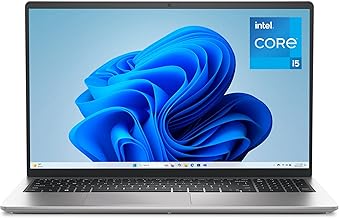
Dell 15.6″ DC15250 (Core i5 / 512GB)
For a mainstream home laptop, the DC15250 nails the essentials with a Core i5-1334U, a smooth 120Hz full-HD display, and a 512GB SSD. Wi-Fi 6, Bluetooth, and a backlit keyboard round out a well-balanced package in a clean Platinum Silver chassis. It’s the sensible all-rounder for families who want dependable everyday performance without paying for extras they won’t use.
HP 17.3″ (Core i5 / 16GB / 512GB)
If a bigger screen is the priority, this 17.3-inch HP pairs a spacious FHD display with a Core i5-1334U, 16GB of RAM, and a 512GB SSD. Intel Iris Xe graphics handle casual photo work and video playback well, and the large panel makes it a natural home-base laptop for movies, homework, and multitasking. It’s ideal for anyone who values comfort and visibility over slim portability.
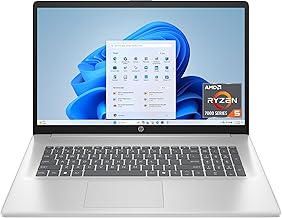
HP 17.3″ FHD (Ryzen 5 7430U / 16GB / 1TB)
This AMD-powered 17-incher is a value standout, combining a six-core Ryzen 5 7430U with 16GB of RAM and a full 1TB of storage. The anti-glare 300-nit IPS panel and webcam privacy shutter are thoughtful touches for family use, and the sheer storage space means fewer worries about running out of room. It’s a strong choice for households that want big-screen comfort and lots of capacity for less.
HP OmniBook 3 17.3″ (Ryzen 3 / 8GB / 512GB)
For a budget-friendly big-screen option, the OmniBook 3 keeps things simple with a 17.3-inch FHD display, an AMD Ryzen 3, 8GB of RAM, and a 512GB SSD. It’s built for lighter home duties: web browsing, email, streaming, and casual document work. If you want a large, comfortable display without stretching the budget, it delivers the essentials in a tidy Mica Silver package.
Frequently Asked Questions
Is a 17-inch laptop too big for home use?
Not if it mostly stays on a desk or table. A 17.3-inch screen is far more comfortable for movies, homework, and multitasking than a compact laptop, and the trade-off in portability rarely matters for a shared home machine.
Do I need a Core i5 or is a budget chip enough?
For light browsing and streaming, budget chips work fine. But if several people use the laptop or you keep many tabs and apps open, a Core i5 or Ryzen 5 delivers the smoother, more responsive experience that makes a shared machine less frustrating.
How much storage should a family laptop have?
Aim for at least 512GB, and consider 1TB if multiple people store photos, documents, and downloads. Larger SSDs like those in the Dell DC16251 or HP Ryzen models reduce the need for constant file cleanup.
Are these laptops good for video calls?
Yes. All of these handle Zoom, Teams, and browser-based calls comfortably, and several include webcam privacy shutters. For the smoothest experience with calls plus other apps open, 16GB of RAM helps considerably.
Final Thoughts
The best home laptop is a comfortable generalist that everyone in the house can pick up and use. The Dell 16 DC16251 leads on power and future-proofing, while the HP 17.3-inch models win for big-screen comfort and value. Prioritize a Core i5 or Ryzen 5, 16GB of RAM, and a roomy SSD, and you’ll have a machine that handles family life smoothly for years.


