Key takeaways
- Best price in this list at $132.84 per tire, making full sets affordable.
- Narrow footprint and 15-inch rim diameter reduce rolling noise on bare roads.
- 95T speed rating limits high-speed confidence; not ideal for sporty compact cars.
Choosing the right set of michelin winter tires is one of those decisions that reveals itself only on a frozen highway at five in the morning. The compound either bites into ice and packed snow, or it hydroplanes past the point where steering wheel feedback becomes a suggestion rather than a signal. For drivers in northern climates, the gap between a well-matched tire and a mediocre one is measured in stopping distance, lane confidence, and whether the car stays under power or slides into a guardrail.
Michelin’s current winter lineup spans three distinct families — the dedicated X-Ice Snow, the extreme-conditions X-Ice North 4, and the all-season CrossClimate2 — each engineered for a different severity of winter. Compiling this 2026 roundup, our editorial team compared published specifications, listed prices, and aggregated owner feedback across every size variant Michelin currently offers. What separates a strong pick from a weak one comes down to tread design intent, load and speed ratings relative to the size bracket, and whether the tire’s construction matches the actual roads you drive on most days.
Our top picks
 MICHELIN CROSSCLIMATE2 A/W CUV 225/65R17 102H
- rain or shine, the Michelin CrossClimate2 all-season tire…
- Designed to perform in every climate condition, with…
- 3 Peek Mountain Certified - 3PMSF
 Michelin X-Ice Snow 235/65R17 108T XL
- Snow car tire designed for driving SUVs, Crossovers,…
- MICHELIN X-Ice Snow combines Flex-Ice 2.0 compound with…
- Engineered and tested for harsh winter conditions, MICHELIN…
| Product | Key specs | |
|---|---|---|
| Michelin X-Ice Snow 195/65R15 95T Bsw Winter | ICE SNOW 195/65R15 95T XL | Check price |
| MICHELIN CROSSCLIMATE2 A/W CUV 225/65R17 102H | rain or shine, the Michelin CrossClimate2 all-season tire… Designed to perform in every climate condition, with… 3 Peek Mountain Certified - 3PMSF | Check price |
| Michelin X-Ice Snow 235/65R17 108T XL | Snow car tire designed for driving SUVs, Crossovers,… MICHELIN X-Ice Snow combines Flex-Ice 2.0 compound with… Engineered and tested for harsh winter conditions, MICHELIN… | Check price |
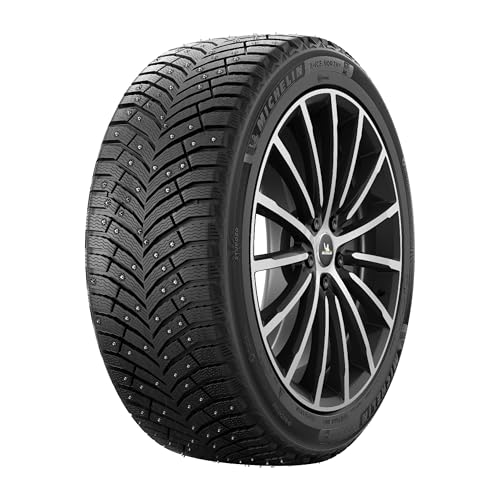 Michelin X-Ice North 4 Winter Car Tire Michelin X-Ice North 4 Winter Car Tire | Don’t compromise on safety or performance in severe… This high performance winter tire is the right… The MICHELIN X-Ice North 4 winter tire delivers… | Check price |
| Michelin X-Ice Snow 225/60R16 102H Bsw Winter | ICE SNOW 225/60R16 102H XL | Check price |
| Michelin X-Ice Snow 225/55R17 101H XL | M+S Ultimate Snow & Ice Confidence Excellent Winter Traction | Check price |
| Michelin X-Ice Snow 225/45R18 95H Bsw Winter | ICE SNOW 225/45R18 95H XL | Check price |
| Michelin X-Ice Snow 215/55R16 97H Bsw Winter | BSW winter tire Package Dimensions: 25.28 H x 25.28 L x… Package Weight: 22.13 pounds | Check price |
As an Amazon Associate we earn from qualifying purchases at no extra cost to you.
Quick Picks
| Product | Best for | Price |
|---|---|---|
| X-Ice Snow 195/65R15 95T | Compact sedans and budget buyers | $132.84 |
| CrossClimate2 225/65R17 102H | CUV drivers wanting one-tire simplicity | $224.99 |
| X-Ice Snow 235/65R17 108T XL | Mid-size SUVs and light trucks | n/a |
| X-Ice North 4 185/65R15 92T XL | Severe ice and studded-tire regions | $160.88 |
| X-Ice Snow 225/60R16 102H | Mainstream sedans and daily commuters | $178.36 |
| X-Ice Snow 225/55R17 101H XL | Sport sedans prioritizing grip and handling | n/a |
| X-Ice Snow 225/45R18 95H | Low-profile performance vehicles | $222.80 |
| X-Ice Snow 215/55R16 97H | Small crossovers and hatchbacks | $176.00 |
How We Picked
We evaluated each tire on four criteria: tread pattern purpose (dedicated winter versus all-season compromise), load and speed rating relative to the vehicle bracket it targets, price-per-tire competitiveness within its size class, and recurring themes in owner-reported noise levels, wet-braking confidence, and treadwear expectations. Michelin builds all these michelin winter tires on proprietary rubber compounds, but the size-specific applications differ enough that a fitment for a compact sedan should not be confused with one designed for a lifted crossover.
The 8 Best Michelin Winter Tires in 2026
Michelin X-Ice Snow 195/65R15 95T
The X-Ice Snow 195/65R15 is the entry point into Michelin’s dedicated winter lineup at the smallest diameter in this roundup. It suits drivers of older compact sedans and small hatchbacks who want genuine snow and ice traction without a premium price tag. Owner feedback consistently highlights quiet operation relative to other studded or aggressive winter patterns, and the directional tread channels slush effectively at moderate speeds.
- Best price in this list at $132.84 per tire, making full sets affordable.
- Narrow footprint and 15-inch rim diameter reduce rolling noise on bare roads.
- 95T speed rating limits high-speed confidence; not ideal for sporty compact cars.
Skip this tire if your vehicle calls for a wider section or higher speed rating, or if you frequently drive above highway speeds on plowed roads.
MICHELIN CROSSCLIMATE2 A/W CUV 225/65R17 102H
CrossClimate2 is Michelin’s all-season answer for drivers who want a single set of tires that handle light winter conditions without the seasonal swap ritual. The 225/65R17 size targets mid-size crossovers, and the 102H rating carries substantial load capacity. It is not a michelin winter tire in the traditional sense, but for regions with occasional snow and no sustained sub-zero stretches, owner reviews describe adequate wet and light-snow performance.
- E eliminates the cost and storage hassle of a second tire set.
- Asymmetric tread pattern handles standing water competently in spring and fall.
- Noticeably louder on dry pavement than dedicated winter compounds at cold temperatures.
Skip it if your roads see packed ice, deep snow, or temperatures consistently below twenty degrees. This tire performs best where winter is an inconvenience, not a defining condition.
Michelin X-Ice Snow 235/65R17 108T XL
This is the heavy-duty variant of the X-Ice Snow line, built for mid-size SUVs and light trucks that carry real cargo weight. The XL designation and 108 load index signal a reinforced sidewall and stiffer carcass designed to prevent squirm under load on slippery surfaces. Owners of SUVs frequently report that narrower passenger-car winter tires feel unstable on taller vehicles, and this size addresses that concern directly.
- Extra-load construction provides stability under tongue weight and full cabin loads.
- Same directional winter tread family as smaller X-Ice Snow sizes, proven in snow.
- Price unavailable at publication; expect premium cost over standard-load equivalents.
Skip it if your vehicle’s door jamb sticker calls for a lower load index, because excess stiffness may reduce ride comfort on thin pavement overlays.
Michelin X-Ice North 4 185/65R15 92T XL
The X-Ice North 4 sits at the top of Michelin’s ice-traction hierarchy. Its tread design uses an unusually high density of sipes, a characteristic that owners in northern Scandinavia and the Canadian Prairies cite as the reason it outperforms studded alternatives on glare ice. The 185/65R15 size targets European compact cars and smaller Japanese models common in northern European markets.
- Exceptional ice grip — the primary reason drivers choose X-Ice North over X-Ice Snow.
- XL construction adds sidewall durability for rough, unplowed roads.
- Aggressive sipe density increases road noise and reduces tread life on bare pavement.
Skip it if your winter conditions involve slush and wet roads more than glare ice, since the X-Ice Snow family offers more balanced performance for that mix.
Michelin X-Ice Snow 225/60R16 102H
The 225/60R16 X-Ice Snow is the most broadly applicable michelin winter tire in this roundup, fitting a wide range of compact and mid-size sedans as well as smaller crossovers. The 102H rating balances load capacity with a speed rating that matches highway driving in winter conditions. Owners report predictable dry-road braking and minimal tramlining on grooved pavement.
- Sweet-spot size fits the most common modern vehicle fitments.
- H speed rating provides margin for highway commutes without the cost of higher-rated tires.
- At $178.36, sits mid-range and is beaten on price by smaller-diameter options.
Skip it if your car requires a narrower or wider section than 225 mm; this size is not universal, and mismatched width degrades traction and wear.
Michelin X-Ice Snow 225/55R17 101H XL
With a lower aspect ratio, the 225/55R17 serves drivers of sport sedans and European executive cars that demand precise steering response even in winter. The XL load rating adds stiffness without sacrificing the responsive feel these vehicles are known for. Owner feedback emphasizes cornering confidence on wet, cold roads where softer tires feel vague.
- Lower sidewall profile improves turn-in sharpness compared to taller 60 or 65 series.
- 101H rating suits vehicles with higher gross weight and sportier suspension tuning.
- Price not listed; expect above-average cost for the reinforced construction.
Skip it if your vehicle sees deep snow regularly, as the shorter sidewall reduces the tire’s ability to flex and bite through accumulation.
Michelin X-Ice Snow 225/45R18 95H
The 225/45R18 targets performance cars and premium sedans running low-profile wheels. It is the widest, lowest-aspect michelin winter tire in this roundup, and the combination of a 45 series profile with an 18-inch diameter means minimal sidewall protection against potholes and rim damage on salted roads. Owners who live in cities with poor winter maintenance tend to report sidewall bulges.
- Maximum winter grip for vehicles that would otherwise have no dedicated snow tire option.
- 95H rating matches the OEM fitment requirements of performance sedans.
- Thin sidewall makes this the most vulnerable size to road hazards in this list.
Skip it if you drive on roads with frequent potholes or unplowed ruts; consider a higher-aspect size on a smaller wheel if your vehicle allows it.
Michelin X-Ice Snow 215/55R16 97H
The 215/55R16 occupies a middle ground between economy and performance. It fits small crossovers, compact SUVs, and sedans that need more load capacity than a 91T or 95H but do not require XL stiffness. At $176, it undercuts the 225/60R16 variant while offering a slightly narrower contact patch that clears slush with less resistance.
- Lower price than wider alternatives without sacrificing winter traction family features.
- Narrower width improves hydroplaning resistance in slushy conditions.
- 97H load index may fall short for vehicles requiring 100 or higher ratings.
Skip it if your vehicle manufacturer specifies a 100+ load index or a wider fitment; undersizing degrades stability and voids the engineering assumptions built into your car’s traction control.
Buying Guide
Dedicated Winter versus All-Season
The first decision that shapes every other choice is whether your michelin winter tires need to be a true cold-weather compound. Michelin’s X-Ice and X-Ice North families use rubber that remains pliable well below freezing, which is why they bite into ice and packed snow where a CrossClimate2 would begin to harden and lose grip. If temperatures in your region routinely drop below twenty degrees Fahrenheit, a dedicated winter tire is not optional — it is the baseline. Drivers in mild coastal climates with occasional frost can stretch to an all-season option, but understand the tradeoff is measurable stopping distance on cold, wet roads.
Load and Speed Ratings: Match the Door Jamb, Not the Size
Every vehicle carries a placard specifying the minimum load index and speed rating. XL variants like the X-Ice Snow 235/65R17 at load index 108 or the X-Ice North 4 at 92T XL exist because OEM fitments demand reinforced construction for added vehicle weight. Undersizing either rating introduces heat buildup and potential carcass failure. Always verify your door jamb sticker before ordering, and treat any mismatch between the tire rating and the vehicle specification as a safety issue rather than a cost-saving opportunity.
Sidewall Profile and Road Condition Tolerance
Low-aspect tires such as the 225/45R18 deliver steering precision but offer minimal cushioning between the rim and the road surface. In regions where winter maintenance means salt-corroded potholes and frozen ruts, a taller sidewall in the 60 or 65 aspect ratio provides protection that no amount of careful driving can guarantee. When choosing among michelin winter tires that all perform well on snow, the aspect ratio decision often comes down to road quality more than snow quality.
Our Verdict
Our top overall pick is the Michelin X-Ice Snow 225/60R16 102H at $178.36 — it fits the widest range of vehicles, carries a practical speed rating for highway use, and belongs to the X-Ice Snow family with proven ice and snow performance. For budget buyers running compact cars, the X-Ice Snow 195/65R15 at $132.84 delivers the same compound philosophy at a significantly lower cost. If your region sees persistent glare ice more than fresh snowfall, step up to the X-Ice North 4 regardless of price; its sipe density is the clear differentiator in that scenario.
FAQ
Do I need four michelin winter tires or can I install two?
Always install all four. Placing higher-traction tires on only one axle creates a handling imbalance where the vehicle may oversteer or understeer unpredictably on slippery surfaces, a risk that traction control cannot fully compensate for.
How long do Michelin X-Ice Snow tires typically last?
Owner reports generally place tread life in the two-to-three-winter range for moderate climates, with faster wear on bare asphalt. The exact number of seasons depends on your driving frequency, road surface composition, and storage conditions during the warm months.
Is the CrossClimate2 a valid replacement for dedicated michelin winter tires?
Only in mild winter regions with minimal ice exposure. In sustained sub-zero temperatures, the X-Ice Snow and X-Ice North families use softer cold-weather compounds that outperform any all-season tread by a meaningful margin on packed snow and glare ice.
Can I mix different X-Ice Snow sizes on the same vehicle?
No. Mixing aspect ratios or diameters causes wheel speed differences that confuse the ABS and stability control systems, potentially triggering fault lights or disabling critical safety functions in exactly the conditions where winter tires are needed.