Key takeaways
- Solid aluminum chassis offers passive heat dissipation inside tight desk organizers.
- Instant UVC plug-and-play setup requires no background driver installation.
- Lacks a dedicated HDMI loop-out port for dual-monitor passthrough.
Building a refined home studio or living room media center that seamlessly blends retro gaming consoles with contemporary décor is a delicate art. While vintage consoles like the Super Nintendo, Sega Saturn, or Nintendo 64 offer unmatched nostalgia, routing their analog signals into modern computer setups requires specific hardware. To maintain a clean, wire-free aesthetic across your desk or TV credenza, finding the best retro gaming capture card for original hardware is essential. These compact devices bridge the gap between upscaled video converters and modern streaming software without cluttering your interior space.
Modern interior design prioritizes sleek integration, meaning bulky external capture boxes with visible power bricks are no longer practical for minimalist home workstations. When paired with an line-doubler or upscaler like a RetroTINK or OSSC, lightweight capture cards convert HDMI signals directly into USB digital video feeds. Preparing your setup in 2026 means selecting low-profile capture interfaces that tuck out of sight, operate coolly in closed AV cabinets, and deliver crisp 1080p 60FPS video without audio lag.
As an Amazon Associate we earn from qualifying purchases at no extra cost to you. Product prices and availability are accurate as of the date shown and are subject to change.




Quick Picks
| Product | Best For | Price |
|---|---|---|
| Generic 4K HDMI to USB 3.0 Capture Card | Best Overall Desktop Integration | $25.89 |
| Guermok 4K USB-C Video Capture Card | Best for Minimalist Laptop Setups | $18.99 |
| Acer USB 3.0 HDMI Capture Card | Best for Zero-Latency Pass-Through | $26.99 |
| 4K Game Capture Card 1080P 60FPS | Best Value Streaming Dongle | $18.99 |
| HeavenBird 4K HD Video Capture Card | Best Low-Profile Plug & Play | $12.99 |
| UGREEN 2K@30Hz 1080P 60FPS Capture Card | Best Premium Aluminum Casing | $19.78 |
| OREI 4K@30Hz HDMI Video Capture Card | Best Audio Fidelity & Media Racks | $24.95 |
| Generic 4K HDMI to USB Capture Card | Best Ultra-Budget Entry Option | $9.99 |
How We Picked
Selecting the ideal video capture device for a home gaming workstation requires evaluating both technical capabilities and physical design integration. Original retro consoles rely on analog video outputs (Composite, S-Video, or Component) which must first pass through line-doublers or HDMI scalers. Once converted to digital HDMI, the capture card handles the incoming signal and sends it to your PC or Mac via USB.
We prioritized devices based on footprint size (focusing on dongles under 3.5 inches long), heat dissipation materials (such as aluminum alloy housings that withstand enclosed entertainment centers), driverless UVC protocol support, and power draw (preferring low 5V/0.5A bus-powered designs around 2.5 watts max). We also evaluated input compatibility across upscaled 480p, 720p, and 1080p frame rates to ensure smooth rendering of classic 60Hz titles without dropped frames or desktop clutter.
The 8 Best Picks
1. Generic 4K HDMI to USB 3.0 Capture Card ($25.89)
Designed for multi-console setups on dedicated gaming desks, this versatile capture card converts upscaled retro signals into clear 1080p 60FPS USB streams. Measuring roughly 2.8 by 1.2 inches and weighing under 2 ounces, its brushed metal housing mounts easily inside wire management trays under floating desks. It operates on standard USB 3.0 bus power (5V/0.5A), making extra power adapters unnecessary. Ideal for gamers who route RetroTINK or OSSC scalers directly to OBS on a main workstation computer.
- Solid aluminum chassis offers passive heat dissipation inside tight desk organizers.
- Instant UVC plug-and-play setup requires no background driver installation.
- Lacks a dedicated HDMI loop-out port for dual-monitor passthrough.
When to skip: Skip if you need to route your retro console signal simultaneously to an external CRT or primary TV screen.
2. Guermok 4K USB-C Video Capture Card ($18.99)
Tailored for modern home office setups centered around MacBook Pro or ultrabook setups, the Guermok card features an integrated USB-C connector alongside USB 3.0 capability. Its compact grey shell blends seamlessly with contemporary aluminum furniture and laptop stands. Capable of capturing 1080p at 60FPS or 2K at 30FPS, it handles clean output from retro upscalers without adding cord bulk. Requiring less than 2.5W of power, it preserves clean cable routes across minimalist standing desks.
- Native USB-C interface eliminates the need for unsightly USB-A adapters.
- Slim 0.4-inch profile slides easily into slim desk drawers or travel sleeves.
- Caps higher resolution capture at 30FPS above 1080p.
When to skip: Skip if your primary workstation relies exclusively on legacy USB-A ports without short extension cables.
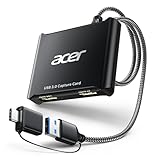
3. Acer USB 3.0 HDMI Capture Card ($26.99)
For home media centers where zero latency is crucial, Acer offers a sleek aluminum capture card featuring a built-in 4K HDMI loop-out port. This allows you to send an uncompressed video signal straight to a living room TV while simultaneously streaming 1080p 60Hz to a laptop tucked inside your AV cabinet. Measuring 3.1 x 1.6 inches and weighing 2.8 ounces, its sturdy build anchors neatly behind soundbars or media receivers.
- Integrated HDMI loop-out ensures latency-free gameplay on a primary TV.
- Durable metal enclosure keeps internal chips cool during extended gaming sessions.
- Slightly wider footprint requires extra clearance inside tight cable management boxes.
When to skip: Skip if you only capture on a single monitor and want the smallest possible dongle footprint.
4. Generic 4K Game Capture Card 1080P 60FPS ($18.99)
A straightforward option for budget-conscious home office builders, this 1080p 60FPS capture card comes priced at $18.99. Featuring a clean rectangular layout, it accepts up to 4K inputs from high-end video scalers and outputs uncompressed video for instant recording. Its low weight (1.3 ounces) prevents strain on front-facing computer USB ports, keeping your front desktop panel looking tidy.
- Extremely lightweight design puts zero torque stress on desktop USB ports.
- Broad software support across OBS, Streamlabs, and QuickTime.
- Plastic accent trim feels less premium than full metal alloy alternatives.
When to skip: Skip if you prefer full metal construction for high-temperature media cabinets.
5. HeavenBird 4K HD Video Capture Card ($12.99)
At just $12.99, the HeavenBird capture card provides an ultra-compact solution for hiding stream hardware out of view. Designed like a standard USB flash drive (2.4 inches long), it plugs directly into your PC tower or dock without requiring extra mounting hardware. It converts upscaled 60Hz retro console feeds cleanly into 1080p streaming formats, making it perfect for floating shelf setups where space is limited.
- Ultra-affordable price point with zero driver setup required.
- Micro-sized footprint is completely hidden behind desktop PCs or hubs.
- Can block adjacent USB ports on tightly spaced motherboard backpanels.
When to skip: Skip if your computer’s USB ports are closely clustered without space for a wider dongle.
6. UGREEN 2K@30Hz 1080P 60FPS Capture Card ($19.78)
UGREEN is known for high-quality minimalist tech accessories, and this video capture card fits right into modern, curated workspaces. Featuring space-grey anodized aluminum and a short flexible tail cable, it reduces port strain on laptops and mini-PCs. It ingests 4K signals and delivers stable 1080p 60FPS capture with low thermal output (~2W power consumption), keeping your desk aesthetic sleek and professional.
- Pigtail cable design prevents port crowding and relieves connector tension.
- Premium dark aluminum finish matches modern office hardware and accessories.
- Does not support 4K 60FPS capture output.
When to skip: Skip if you prefer a rigid stick-style dongle without short dangling cables.
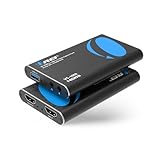
7. OREI 4K@30Hz HDMI Video Capture Card ($24.95)
Designed for high-fidelity audio integration in living room media racks, the OREI capture card features UVC/UAC compliance with 48 kHz PCM audio sampling. Its loop-out port ensures you can route retro audio signals to home theater receivers without sync loss. Housed in a matte-black metal casing measuring 3.5 x 2.0 inches, it provides stable power management and clean video pass-through for dedicated home theater enthusiasts.
- 48 kHz PCM uncompressed audio output ensures crisp retro game sound effects.
- Dedicated HDMI pass-through simplifies routing into AV surround sound receivers.
- Larger footprint demands more space in small horizontal cable troughs.
When to skip: Skip if you have tight cable clearance behind wall-mounted TV consoles.
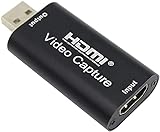
8. Generic 4K HDMI to USB Capture Card ($9.99)
For casual retro gaming setups on a strict budget, this $9.99 capture card offers fundamental 1080p video ingestion in a tiny package. Weighing just 1.1 ounces, it handles basic line-doubled video signals from classic hardware. While basic in finish, its low power draw and simple USB-A connection make it an easy pick for secondary guest room gaming nooks or temporary setups.
- Lowest price point for basic retro hardware video conversion.
- Minimalist layout is easy to tuck behind secondary monitors.
- Gets noticeably warmer under continuous multi-hour streaming sessions.
When to skip: Skip if your setup runs 24/7 in an unventilated media cabinet where thermals are a concern.
Buying Guide
Integrating Capture Cards into Home Media & Desk Setups
When selecting a capture device for original hardware, physical room layout matters as much as technical specs. Modern home offices rely on clean lines and hidden cabling. USB dongle-style capture cards (under 3 inches in length) plug directly into hubs mounted under desks, keeping video lines invisible. If you stream from an entertainment center console, look for models with mounting ears or slim profiles that lay flat inside AV media furniture alongside your upscaler.
Understanding Signal Chains: Scalers, Passthrough, and Audio Sync
Original retro consoles (like the NES, SNES, or Genesis) output analog 240p or 480i signals that modern USB capture cards cannot read directly via HDMI. Your signal chain must start with an upscaler or line-doubler (e.g., RetroTINK, OSSC, or RAD2X) to convert analog video into a 480p, 720p, or 1080p HDMI signal. Choosing a capture card with UAC (USB Audio Class) support operating at 48 kHz PCM guarantees that classic 8-bit and 16-bit sound effects remain in perfect sync with your video feed.
### Thermal Management and Cable Organization
Video capture processors generate steady heat, operating around 2 to 2.5 watts of power. In enclosed spaces like TV credenzas or under-desk cable baskets, heat build-up can lead to frame drops. Opting for capture cards crafted from aluminum alloy rather than ABS plastic helps dissipate heat passively through the body of the device. Using short 0.5-foot HDMI jumper cables and soft USB extension leads further protects computer ports while maintaining an organized, clutter-free workspace.
Our Verdict
For the average home office gaming setup, the Generic 4K HDMI to USB 3.0 Capture Card ($25.89) offers the best overall blend of thermal durability, compact design, and stable 1080p 60FPS video conversion. If your workstation relies on modern USB-C laptops, the Guermok 4K USB-C Video Capture Card ($18.99) delivers seamless style and clutter-free cabling. For living room TV setups that require zero latency, the Acer USB 3.0 HDMI Capture Card ($26.99) provides reliable HDMI loop-out passthrough to keep your gameplay smooth on the big screen.
FAQ
Do I need a line-doubler or upscaler before the capture card?
Yes. Original retro gaming consoles output low-resolution analog signals (240p/480i) over Composite, S-Video, or Component cables. Modern HDMI capture cards require a digital HDMI input at standard HD resolutions (480p, 720p, or 1080p). You must run your console into a retro-upconversion device (like a RetroTINK, OSSC, or line-doubler cable) before connecting the HDMI output into your capture card.
Why does HDMI pass-through matter for retro consoles?
Capture cards process video before sending it to your computer via USB, introducing a slight delay (latency) in your preview window. Pass-through (or HDMI loop-out) sends a zero-latency clone of the video signal directly to your gaming TV or monitor, allowing you to play twitch-reflex retro games comfortably while your PC captures the feed in the background.
How do I hide capture card cables in my home office?
To maintain a clean desk aesthetic, choose a capture card with a pigtail cable or mount a compact stick dongle into a cable management tray underneath your desk. Route your HDMI cable from your retro scaler up through a desk grommet or cable raceway, keeping all power bricks and USB connections completely hidden from view.
Are USB 3.0 capture cards powerful enough for 1080p 60FPS retro capture?
Yes. USB 3.0 provides up to 5 Gbps of bandwidth, which is more than enough to transmit uncompressed 1080p video at 60 frames per second. Since retro games upscaled to 1080p do not require complex 4K HDR color pipelines, a standard USB 3.0 capture card provides smooth video performance without taxing your system.