Key takeaways
- Initial Hardware Purchase: $50.00 – $140.00 (Depending on screen size, chip performance, and build quality).
- High-Speed MicroSD Storage Upgrade (128GB–256GB): $15.00 – $30.00 (Replacing stock cards ensures fast game loading and corrupt-free saves over years of use).
- Home Charging & Storage Docks: $15.00 – $35.00 (Custom 3D-printed wooden or acrylic nightstand docks keep cables neat).
- Battery Degradation & Replacement: $12.00 – $22.00 (Lithium-polymer batteries typically retain 80% capacity after 3–4 years of daily 5W charging).
- Home Power Consumption: Minimal. Charging a 4000mAh battery at 5V/2A (10W max) once every two days consumes approximately 3.8 kWh per year, costing less than $0.70 annually on standard utility rates.
What's inside
Retro gaming handhelds have evolved from niche collector novelties into everyday staples of modern home relaxation. Whether stationed on a minimalist wooden nightstand, docked beside a living room media console, or tucked into a home office organizer, these versatile devices blend nostalgia with personal interior style. However, choosing between the vertical vs horizontal retro gaming handheld form factor involves far more than aesthetics alone. The decision directly shapes how comfortably you play in your favorite armchair, how easily you dock the unit on your desk, and how well the device fits into your household routine.
When curating a cozy, functional living space in 2026, electronics should harmonize with your home ergonomics and storage layout. A vertical device offers an iconic, space-saving posture that looks gorgeous on an open display shelf. Meanwhile, a horizontal layout spreads device weight evenly across your hands, making it ideal for deep couch gaming sessions. Deciding between a tall, narrow profile and a wide, twin-grip silhouette comes down to how your home environment supports your leisure time.
As an Amazon Associate we earn from qualifying purchases at no extra cost to you. Product prices and availability are accurate as of the date shown and are subject to change.


Quick Verdict
If your primary goal is space efficiency, striking display aesthetics, and quick 15-to-30-minute gaming bursts on the couch or bed, the vertical form factor is your best match. Its compact upright profile takes up minimal surface area on nightstands or floating shelves.
If you prefer extended 1-to-2-hour gaming sessions, frequently play 3D games requiring dual analog thumbsticks, or want maximum drop protection on hard floors, the horizontal form factor is superior. Its wide grip distributes weight naturally to prevent hand fatigue, and its lower center of gravity makes it safer around busy living rooms with kids or pets.
Side by Side
| Feature / Criterion | Vertical Form Factor | Horizontal Form Factor |
|---|---|---|
| Comfort | Excellent for classic 8/16-bit D-pad games; can cause hand cramping after 45+ minutes on dual-stick titles. | Superior ergonomic palm support; ideal for multi-hour sessions and modern 3D titles. |
| Durability | Top-heavy profile makes it prone to tipping when bumped on elevated surfaces. | Flat, wide base offers higher drop resistance off coffee tables or desk edges. |
| Price Range | $45 – $130 (Entry to mid-range vertical emulators). | $60 – $180 (Wider variety of screen sizes and chipsets). |
| Maintenance | Simple wipe-down; tight button cluster requires occasional soft-bristle dusting. | Easy to clean; spread-out controls allow quick wiping between shoulder buttons. |
| Space Needed | Minimal footprint (approx. 3.2″ W x 5.5″ H x 0.9″ D); fits tiny display docks. | Larger horizontal footprint (approx. 6.5″ W x 3.5″ H x 0.8″ D); needs wide drawer space. |
| Look & Aesthetic | Nostalgic, iconic silhouette; doubles as a decorative piece on open bookshelf displays. | Sleek, modern console look; blends in with contemporary smart home accessories. |
| Resale Value | High demand among retro purists seeking classic Game Boy styling. | Steady demand from power users seeking ergonomic handheld PC and arcade emulation. |
| Best For | Bedside tables, compact office desks, classic arcade/Game Boy emulation, short sessions. | Living room sectional couches, deep recliner gaming, long trips, twin-stick 3D games. |
Where Vertical Wins
The vertical layout remains a favorite for homeowners who value vertical space organization and timeless design. By placing the screen directly above the control pad, vertical consoles keep their footprint remarkably compact. Measuring around 3.1 to 3.6 inches wide and weighing between 180 and 260 grams, these units slide effortlessly into vertical charging docks, custom wooden stands, or slender drawer dividers.
For small-footprint living room setups, vertical devices act as decorative art pieces when resting on an open shelf. High-end models like the RG43V Pro Retro Handheld Game Console with 4.3 Inch IPS Screen,Portable Dual System with RK3562 Chip,Dual RGBOX & EE System, WiFi Networked Fighting Retro Gaming Console, 4000mAh Battery, Black ($119.99) demonstrate how a large, crisp screen and a robust 4000mAh battery can fit into a clean upright housing. Placed on a bedside table next to an organized charging station, a vertical console demands zero extra room while looking intentionally styled.
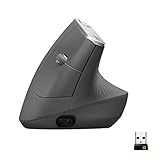
From a home office standpoint, vertical wrist alignment is a familiar concept for ergonomic enthusiasts. Just as office workers rely on an upright computer mouse like the Logitech MX Vertical Wireless Mouse Ergonomic Design – Graphite ($77.95) to reduce forearm twisting during the workday, retro gamers often prefer the straight vertical grip of a traditional D-pad for classic puzzle and arcade games. Playing one-handed or casual two-handed puzzle games while lounging in a cozy accent chair feels natural and unencumbered.
Where Horizontal Retro Gaming Handheld Form Factor Wins
While vertical devices win on compact storage and vintage charm, the horizontal retro gaming handheld form factor takes the crown for long-term comfort and daily living room usability. A horizontal console spreads its controls across a wider chassis—typically 6.2 to 7.5 inches across—allowing your hands to rest at a natural shoulder-width angle. This wider physical footprint prevents your thumbs from overlapping when reaching for dual analog sticks or rear shoulder triggers.
Devices like the R46H Retro Handheld Game Console, Portable Gaming Console with 20,000+ Classic Games, 4.2” IPS Screen, Linux Handheld Emulator, 128GB TF Card, WiFi Multiplayer for Travel & Gifts(Dark) ($85.99) highlight the benefits of a horizontal arrangement. With action buttons and thumbsticks balanced evenly on either side of the screen, your wrists remain in a neutral position while sitting back on a sectional couch or recliner. Weighing around 220 to 340 grams, the mass is distributed across both palms rather than hanging below your fingertips.
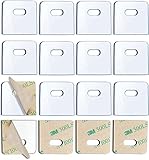
Horizontal consoles are also dramatically safer in busy home environments. Because they lie flat with a low profile (around 3.2 to 3.8 inches tall), they won’t tip over if a coffee table gets bumped. Just as you keep household maintenance low-stress by using quick repair fixes like SOGEWO (16 Set/32 Pieces) Clear Vertical Blind Repair Tabs, Vertical Blinds tabs/Blind Fixers for Vertical Blinds Replacement Slats & Parts ($5.99) to protect your home fixtures, choosing a stable, low-center-of-gravity horizontal handheld protects your tech investment from accidental tumbles onto hardwood or tile floors.
Cost Over 5 Years
Understanding the full cost of ownership for a retro handheld involves looking beyond the initial purchase price to consider long-term durability, home energy consumption, and accessory storage solutions:
- Initial Hardware Purchase: $50.00 – $140.00 (Depending on screen size, chip performance, and build quality).
- High-Speed MicroSD Storage Upgrade (128GB–256GB): $15.00 – $30.00 (Replacing stock cards ensures fast game loading and corrupt-free saves over years of use).
- Home Charging & Storage Docks: $15.00 – $35.00 (Custom 3D-printed wooden or acrylic nightstand docks keep cables neat).
- Battery Degradation & Replacement: $12.00 – $22.00 (Lithium-polymer batteries typically retain 80% capacity after 3–4 years of daily 5W charging).
- Home Power Consumption: Minimal. Charging a 4000mAh battery at 5V/2A (10W max) once every two days consumes approximately 3.8 kWh per year, costing less than $0.70 annually on standard utility rates.
Over a 5-year period, total ownership costs average between $95.00 and $230.00. Horizontal devices typically experience slightly lower long-term replacement costs because their distributed chassis absorbs drop impacts better than top-heavy vertical alternatives.
Which One for Your Home
Small Apartment
In a cozy studio or compact apartment, surface area is premium real estate. A vertical handheld paired with an upright magnetic dock takes up less space than a coffee mug on your nightstand or floating TV ledge. Its verticality allows you to store it upright in small desk caddies, keeping your living area free of clutter.
Family with Kids or Pets
If your living room sees constant activity from children, dogs, or cats, choose a horizontal handheld. Horizontal devices rest flat on coffee tables and TV stands, making them virtually impossible to knock over with a tail wag or stray elbow. Furthermore, the wider grip accommodates larger hands and smaller hands equally well during shared family gaming time.
Rental Unit
Renters who rely on modular furniture, organizer bins, and wire cable management will appreciate the horizontal form factor’s flexibility. It fits neatly into standard fabric drawer organizers, shallow media console trays, or soft felt pouches tucked under a coffee table, requiring no permanent wall shelves or dedicated display stands.
Long-Term Home
For homeowners with a dedicated home office, gaming room, or custom bookshelf display, the vertical form factor shines as a stylized design piece. Mounted on a hardwood dock next to warm ambient lighting, a sleek vertical handheld complements books, indoor plants, and clean interior architectural lines.
FAQ
Is a vertical retro gaming handheld better for hand cramps?
For shorter gaming sessions under 30 minutes focused on classic 2D D-pad games, vertical handhelds are very comfortable. However, for sessions lasting longer than 45 minutes or games that require constant dual-thumbstick movement, horizontal handhelds offer superior ergonomic palm support that significantly reduces thumb cramping.
Which form factor fits better in a couch armrest storage tray or floating shelf?
Vertical handhelds excel on narrow floating shelves due to their small base footprint. Horizontal handhelds are better suited for couch armrest trays and shallow sofa organizers because their flat, low profile prevents them from sliding around when you adjust your seating position.
Do horizontal retro handhelds last longer than vertical ones?
Both form factors use similarinternal circuit boards and IPS screen technology. However, horizontal handhelds tend to suffer less severe impact damage from accidental drops because their weight is spread across a wider frame, whereas top-heavy vertical devices are more prone to corner-impact screen cracks if knocked off a high table.
How do battery life and power usage compare between vertical and horizontal form factors?
Battery life depends primarily on battery capacity (mAh) and processor load rather than physical shape. Both vertical and horizontal handhelds frequently feature 3500mAh to 4000mAh batteries delivering 4 to 7 hours of playtime per charge. Charging power draw remains low across both styles, pulling around 5W to 10W during standard USB-C charging cycles.