Key takeaways
- Mixing Sanwa and Seimitsu Standards: Buying a standard 2.36 x 2.36 inch (6.0 x 6.0 cm) GT-Y plate for a Seimitsu joystick base. Seimitsu levers utilize a wider 2.55 x 2.55 inch (6.5 x 6.5 cm) footprint and will not clip onto Sanwa-style retaining lugs.
- Ignoring Oversized Actuator Drag: Pairing an aftermarket 1.5mm or 2mm oversized actuator with a tight octagonal gate. This combination reduces lever throw distance below 0.50 inches (1.3 cm), which can jam the mechanism or prevent microswitches from resetting.
- Neglecting Enclosure Cable Clearance: Installing a thicker 0.35-inch (0.9 cm) universal gate inside ultra-slim travel fightsticks. The additional thickness can pinch 5-pin wiring harnesses against the bottom panel, causing premature wire fatigue or electrical shorts.
- Confusing Korean Levers (K-Levers) with Japanese Plates: Attempting to attach a flat restrictor plate to a Korean lever mechanism. Korean joysticks rely on silicone tension grommets and circular collar guide necks rather than bottom-mounted plastic restrictor plates.
What's inside
The Short Answer
Most standard arcade stick restrictor plates designed for Japanese-style joysticks (such as the Sanwa JLF series, HORI Hayabusa, and popular GT-Y or GT-8F aftermarket mods) feature a uniform outer footprint measuring 2.36 x 2.36 inches (6.0 x 6.0 cm) with a mounting clip center-to-center distance of 1.85 inches (4.7 cm). The typical thickness ranges between 0.20 and 0.31 inches (0.5 to 0.8 cm), and individual plates weigh roughly 0.5 to 0.9 ounces (14 to 25 grams). Replacement and modding plates generally cost between $7.99 and $12.99 for single units or two-pack sets.
When selecting a restrictor gate plate for retro gaming, the internal gate cutout (square, octagonal, 4-way, or circular) dictates lever travel rather than changing the exterior case size. However, you must verify that your arcade stick body has at least 1.75 to 2.25 inches (4.4 to 5.7 cm) of vertical interior clearance below the mounting panel to accommodate the stick mechanism, wiring harness, and snap-on restrictor plate without bowing the bottom enclosure.
As an Amazon Associate we earn from qualifying purchases at no extra cost to you. Product prices and availability are accurate as of the date shown and are subject to change.


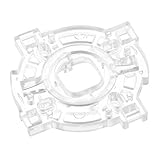
Standard Sizes
Restrictor plates come in several standardized dimensions depending on the joystick base brand and internal cutout shape. The chart below outlines standard measurements in both imperial and metric units for standard retrofit and DIY arcade stick parts.
| Plate Model / Style | Outer Footprint (Inches) | Outer Footprint (cm) | Thickness (Inches / cm) | Mounting Tab Distance | Typical Price Range |
|---|---|---|---|---|---|
| Sanwa GT-8F (Standard Square Gate) | 2.36″ x 2.36″ | 6.0 x 6.0 cm | 0.24″ (0.6 cm) | 1.85″ (4.7 cm) | $7.99 – $9.99 |
| GT-Y Octagonal Gate (JLF Compatible) | 2.36″ x 2.36″ | 6.0 x 6.0 cm | 0.24″ (0.6 cm) | 1.85″ (4.7 cm) | $7.99 – $9.99 |
| uxcell GT-8F Inner Square Restrictor Gate | 2.36″ x 2.36″ | 6.0 x 6.0 cm | 0.28″ (0.7 cm) | 1.85″ (4.7 cm) | $8.99 – $9.99 |
| Seimitsu LS-32 / LS-40 Main Guide Plate | 2.55″ x 2.55″ | 6.5 x 6.5 cm | 0.31″ (0.8 cm) | 2.05″ (5.2 cm) | $9.99 – $12.99 |
| Universal Multi-Piece Circular / Hybrid Gate | 2.40″ x 2.40″ | 6.1 x 6.1 cm | 0.35″ (0.9 cm) | 1.85″ to 2.00″ (4.7–5.1 cm) | $10.99 – $14.99 |
Outer plate sizes are heavily standardized around Japanese JLF mounting posts. The inner gate dimensions, however, govern how far the joystick lever moves before hitting a hard stop. Square gates (like the GT-8F) feature a diagonal corner reach of approximately 0.95 inches (2.4 cm) from the shaft center, while octagonal gates (like the GT-Y) truncate those corners to create a smooth 8-point perimeter with an approximate radius of 0.75 inches (1.9 cm) from the central rest position.
How to Measure Your Space
To guarantee a smooth modding process and ensure your chosen restrictor plate fits into your tabletop controller or arcade cabinet, follow these four physical measurement steps using a digital caliper or standard tape measure:
- Measure Interior Enclosure Depth: Open the bottom panel of your arcade stick. Measure the vertical distance from the underside of the top mounting plate down to the interior surface of the bottom lid. Your enclosure needs a minimum internal depth of 1.75 inches (4.4 cm) for standard JLF setups, or 2.10 inches (5.3 cm) if you use oversized custom actuators alongside an aftermarket plate.
- Check Mounting Tab Spacing: Measure the distance between the snap-in retaining clips or screw holes on the base of your joystick body. Standard JLF-style housings require a 1.85-inch (4.7 cm) clip spacing. If your lever measures 2.05 inches (5.2 cm) between mounting centers, you are likely working with a Seimitsu housing and will need a brand-specific guide plate.
- Verify Actuator Outer Clearance: Measure the diameter of the plastic cylindrical sleeve (actuator) located at the bottom of your joystick shaft. Standard factory actuators measure 0.59 inches (1.5 cm) in diameter. If you have upgraded to a 2mm oversized actuator (approx. 0.67 inches or 1.7 cm), ensure the inner ring opening of an octagonal plate provides at least 0.70 inches (1.8 cm) of clearance to prevent binding.
- Account for Wiring Harness Stand-Off: Measure the space extended by the 5-pin PCB connector or individual microswitch terminal lugs. Ensure the outer 2.36 x 2.36 inch (6.0 x 6.0 cm) plastic profile of the new restrictor plate does not bend or crush electrical pins against internal side walls or cable routing channels.
By Room or Use Case
Retro Arcade Cabinets & Bartop Builds
In full-sized retro arcade cabinets or compact bartop units, interior cabinet room is rarely tight, but control panel undersides can be crowded. Wood panels are usually 0.50 to 0.75 inches (1.3 to 1.9 cm) thick, requiring metal mounting plates. Restrictor plates measuring the standard 2.36 x 2.36 inches (6.0 x 6.0 cm) fit comfortably into these builds. For classic 1980s titles, opting for a plate with an adjustable 4-way insert limits lever throw to strictly cardinal directions, preventing accidental diagonal registers that cause miss-inputs in classic maze games.
Desktop Fightsticks & Tournament Controllers
Modern slim desktop controllers built for home gaming desks prioritizing portability often feature compact enclosures with internal heights under 2.00 inches (5.1 cm). When installing a popular replacement part like the GT-Y Octagonal Restrictor Gate Plate (typically priced between $7.99 and $9.99), ensure the snap clips seat completely flat. Because desktop cases sit on solid tables, even a 0.05-inch bulge from an improperly fitted plate can cause the bottom rubber feet to lose traction.
Dedicated Classic 4-Way Retro Consoles
Dedicated retro systems running classic titles like Pac-Man, Space Invaders, or Donkey Kong perform best with physical 4-way restrictions. Utilizing a standard 2.36-inch (6.0 cm) square gate with an inner rotatable core allows players to switch between 4-way and 8-way modes without unscrewing the primary plate. The inner gate module rotates 45 degrees within a 1.20-inch (3.0 cm) internal channel, effectively blocking diagonal travel paths.
Modern Hybrids & 8-Way Fighting Game Stations
In 2026, home arcade builders often mix retro classic aesthetics with modern modding parts to create multi-system game rooms. For quarter-circle and half-circle motions required in fighting games, an octagonal restrictor plate (such as the GT-Y or equivalent uxcell aftermarket models) provides eight distinct notches. The outer 2.36-inch dimensions match standard fightstick layouts, while the internal 8-sided geometry gives tactile feedback at every 45-degree angle without adding extra bulk to your furniture setup.
Common Sizing Mistakes
Avoid these frequent dimensional and compatibility errors when upgrading your arcade stick parts:
- Mixing Sanwa and Seimitsu Standards: Buying a standard 2.36 x 2.36 inch (6.0 x 6.0 cm) GT-Y plate for a Seimitsu joystick base. Seimitsu levers utilize a wider 2.55 x 2.55 inch (6.5 x 6.5 cm) footprint and will not clip onto Sanwa-style retaining lugs.
- Ignoring Oversized Actuator Drag: Pairing an aftermarket 1.5mm or 2mm oversized actuator with a tight octagonal gate. This combination reduces lever throw distance below 0.50 inches (1.3 cm), which can jam the mechanism or prevent microswitches from resetting.
- Neglecting Enclosure Cable Clearance: Installing a thicker 0.35-inch (0.9 cm) universal gate inside ultra-slim travel fightsticks. The additional thickness can pinch 5-pin wiring harnesses against the bottom panel, causing premature wire fatigue or electrical shorts.
- Confusing Korean Levers (K-Levers) with Japanese Plates: Attempting to attach a flat restrictor plate to a Korean lever mechanism. Korean joysticks rely on silicone tension grommets and circular collar guide necks rather than bottom-mounted plastic restrictor plates.
FAQ
What is the standard size of a GT-Y octagonal restrictor plate?
A standard GT-Y octagonal restrictor plate measures 2.36 inches wide by 2.36 inches long (6.0 x 6.0 cm) with a overall height/thickness of approximately 0.24 inches (0.6 cm). The snap-fit mounting clips sit 1.85 inches (4.7 cm) apart, designed to match Sanwa JLF and JLX series joystick bases perfectly.
Will a Sanwa JLF restrictor plate fit in my HORI or Mayflash arcade stick?
Yes, most HORI Hayabusa levers and stock Mayflash joysticks use identical mounting footprints modeled after the Sanwa JLF standard. They accept standard 2.36 x 2.36 inch (6.0 x 6.0 cm) restrictor plates like the GT-Y octagonal or GT-8F square plates without requiring custom brackets or drilling.
How do I know if I need a 4-way, 8-way square, or octagonal gate for retro games?
Early retro games (1970s–early 1980s) like Pac-Man or Frogger were designed for 4-way gates to prevent sticking on corners. Mid-1980s arcade titles and 1990s fighting games benefit from 8-way square or octagonal gates. Octagonal gates feature eight defined corners that help players feel precise diagonal directions in retro titles.
Does installing an octagonal restrictor plate change the total height or depth of my fightstick?
No, installing an octagonal restrictor plate does not change the exterior height of your joystick shaft or table presentation. It snaps onto the existing underside of the joystick housing inside your enclosure, maintaining the same overall internal depth requirement of roughly 1.75 to 2.00 inches (4.4 to 5.1 cm).