Key takeaways
- Pros: Excellent 1440p and capable 4K performance
- Generous 16GB VRAM for future-proofing
- Strong value against comparable NVIDIA cards
- Wide range of partner coolers and sizes
What's inside
AMD’s Radeon RX 9070 XT arrived as the card that finally made high-refresh 1440p and entry-level 4K gaming affordable again. Built on the RDNA 4 architecture with 16GB of GDDR6 and PCIe 5.0, it slots neatly between mainstream and enthusiast tiers, and the flood of partner designs from GIGABYTE, ASUS, PowerColor, and ASRock means there is a version for every case and budget.
This review focuses on what you actually get from a 9070 XT in 2026: the real-world frame rates, the cooling differences between board partners, and whether the extra VRAM makes it a smarter long-term buy than similarly priced NVIDIA cards. If you are building or upgrading a gaming PC this season, here is what you need to know.
As an Amazon Associate we earn from qualifying purchases at no extra cost to you. Product prices and availability are accurate as of the date shown and are subject to change.




🎮 Get More From Your Setup — Free
Prime Gaming gives you free PC games every month, in-game loot, and a free Twitch channel sub — plus fast free shipping on all the gear above. New members get a 30-day free trial.
Watch: 9070xt Gpu: Review & Buyer’s Guide — Video Review
Design & Build
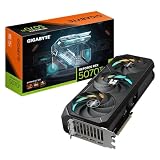
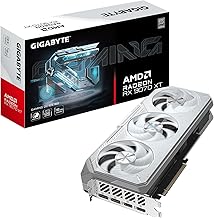
Because this is a multi-partner GPU, build quality varies by model, but the standouts are impressive. The GIGABYTE Gaming OC and its ICE white sibling use triple-fan Hawk coolers with reinforced backplates and server-grade thermal gel, while the ASUS Prime OC in black or white keeps a compact 2.5-slot footprint with dual-BIOS and a GPU Guard bracket. The PowerColor Reaper is the value pick with a slimmer cooler, and the ASRock Challenger OC pushes a 2970MHz boost clock. All feature DisplayPort 2.1 and HDMI 2.1 outputs, and the 16GB frame buffer is standard across the lineup.
Performance
At 1440p the 9070 XT is a monster, driving well past 100fps in most modern titles at maxed settings, and it holds up admirably at 4K with a touch of upscaling. The 16GB of GDDR6 is the quiet hero here, giving you headroom for texture-heavy games and future titles where 12GB cards start to choke. AMD’s FSR and frame-generation tools close much of the gap with NVIDIA’s DLSS, and RDNA 4 brings meaningful ray-tracing gains over the previous generation. Factory-overclocked cards like the ASRock Challenger and GIGABYTE Gaming OC squeeze out a few extra frames without much added noise.
Pros & Cons
- Pros: Excellent 1440p and capable 4K performance
- Generous 16GB VRAM for future-proofing
- Strong value against comparable NVIDIA cards
- Wide range of partner coolers and sizes
- Cons: Ray tracing still trails top NVIDIA cards
- Larger triple-fan models need roomy cases
- FSR adoption lags DLSS in some titles
Alternatives to Consider
If ray tracing and DLSS are priorities, an NVIDIA RTX 5070 Ti competes directly at a similar price. Budget builders who game at 1080p can save money with a lower-tier card, while those chasing uncompromised 4K should step up to a flagship GPU. Within the 9070 XT family, choose based on case size and cooler preference rather than raw silicon.
Frequently Asked Questions
Is the RX 9070 XT good for 4K gaming?
Yes, especially with FSR upscaling enabled. Native 4K is playable in most titles, and the 16GB buffer prevents VRAM bottlenecks.
Which 9070 XT model should I buy?
For most builds the ASUS Prime OC or PowerColor Reaper offer great value, while the GIGABYTE Gaming OC suits those wanting the coolest, quietest triple-fan design.
What power supply do I need?
A quality 750W unit is recommended for most systems, with appropriate PCIe power connectors for your chosen card.
Does it support the latest display standards?
Every model includes DisplayPort 2.1 and HDMI 2.1, so high-refresh 1440p and 4K monitors are fully supported.
Verdict
The Radeon RX 9070 XT is the value champion of this GPU generation, pairing strong 1440p and 4K performance with a future-proof 16GB frame buffer. The ASUS Prime OC and GIGABYTE Gaming OC are the easiest all-around recommendations, while the PowerColor Reaper wins on price. For gamers who want maximum frames per dollar, this is the card to build around.