Our Top Picks
 Samson Q2U USB/XLR Dynamic Microphone Recording and Podcasting4.7010.05 x 7.5 x 2.55 inches0.7 poundsCheck on Amazon
 TONOR Dynamic Podcast Microphone for Content Creators16.7''L x 5.4''W x 4.5''H1.9 poundsCheck on Amazon
The best podcast microphones under $100 are the Samson Q2U for a proven USB and XLR dynamic design and the FIFINE AmpliTank K688CT when you want a boom arm included in the kit. The list below covers dynamic and condenser USB microphones, compared from listing specifications rather than from owning them. Check each maker page for polar pattern, cable details, and software support before you commit to one.
Quick Comparison
| Model | Key specs per listing | Best for |
|---|---|---|
| Samson Q2U | USB/XLR dynamic, recording and podcasting pack | Upgrade path from USB to XLR |
| FIFINE AmpliTank K688CT | USB/XLR dynamic, boom arm, mute button, headphone jack, gain knob | Complete desk kit |
| TONOR TD510 AIR H+ | XLR/USB dynamic, AI noise cancellation, tap mute, 3.5mm monitoring, boom arm | Noisy rooms and easy mute |
| NEEWER DM04 | USB + XLR RGB dynamic, AI noise cancellation, EQ app, monitoring jack | App-based sound shaping |
| MAONO A04 Gen2 | XLR/USB condenser kit, 192kHz/24Bit, cardioid, software | Brighter condenser sound |
| Sennheiser Professional Profile | USB cardioid condenser, table stand, USB-C cable, mute, headphone jack, gain | Established brand, simple USB setup |
1. Samson Q2U
Samson Q2U USB/XLR Dynamic Microphone Recording and Podcasting Pack
Picked as a relevant option in this category.
View on AmazonSpec line: USB/XLR dynamic microphone, recording and podcasting pack.
The Q2U has long been a reference point for budget podcasting, and the listing frames it as a recording and podcasting pack with both USB and XLR outputs. That dual output is the key advantage: you can plug straight into a computer today, then move to an audio interface or mixer later without replacing the microphone. A dynamic capsule is generally less sensitive to room echo and keyboard noise than a condenser, which suits untreated bedrooms and shared offices. The listing does not give detailed specs such as frequency range, so check the maker page if that matters. The compromise is that it is a handheld-style mic that needs a stand or arm, and the pack contents vary, so confirm what is in the box before you order.
Pros: USB and XLR outputs; dynamic capsule suits untreated rooms; clear upgrade path.
Cons: Needs a stand or arm; limited detail in the listing.
2. FIFINE AmpliTank K688CT Podcast Microphone Kit

FIFINE AmpliTank K688CT Podcast Microphone Kit, USB/XLR Dynamic Vocal Mic | Streaming Mic with Boom Arm for PC/XLR Mixer, with Mute Button, Headphone Jack, Gain Knob, for Gaming Voice-Over Recording
Chosen because it specifies USB/XLR Dynamic Vocal Mic and Streaming Mic with Boom Arm for PC/XLR Mixer.
View on AmazonSpec line: USB/XLR dynamic vocal mic, boom arm included, mute button, headphone jack, gain knob, for PC or XLR mixer.
FIFINE bundles the microphone with a boom arm, which is the part many beginners forget to budget for. The listing also names a mute button, a headphone jack for monitoring, and a gain knob, so most of the controls a solo podcaster needs sit on the mic itself. Like the Samson, it offers both USB and XLR, so it can grow with your setup. The kit approach means you skip a separate arm purchase, but clamps on bundled arms vary in stability, so check that your desk edge can hold it securely. It sits near the top of the price ceiling for a kit. It is a strong choice if you want to open the box, clamp it to the desk and start recording.
Pros: Boom arm included; mute, gain and headphone jack on board; USB and XLR.
Cons: Arm quality not specified; clamp needs a suitable desk edge.
3. TONOR TD510 AIR H+
TONOR Dynamic Podcast Microphone for Content Creators, Cardioid XLR/USB Mic | AI Noise Cancellation, Tap Mute, 3.5mm Jack for Monitoring, Volume Control, Microfono with Boom Arm, Black, TD510 AIR H+
Chosen because it specifies Cardioid XLR/USB Mic and AI Noise Cancellation.
View on AmazonSpec line: dynamic podcast microphone, cardioid XLR/USB, AI noise cancellation, tap mute, 3.5mm monitoring jack, volume control, boom arm, black.
TONOR is the lowest-priced kit among the picks and still lists a boom arm, tap mute and a monitoring jack. The tap-to-mute feature is practical during a live stream or a call, because you do not need to hunt for a button. The AI noise cancellation claim is intended to reduce background sounds, though the listing does not explain how it works, so treat it as an unverified feature and listen for artifacts if you use it. A cardioid dynamic pattern picks up sound mostly from the front, which helps in a bedroom with a laptop fan nearby. The trade-off is that low-priced kits can have lighter stands and thinner cables, so check build details on the maker page.
Pros: Boom arm included; tap mute; low price tier in this group.
Cons: Noise cancellation claim is unverified; lighter build possible.
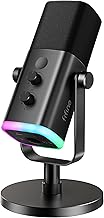
4. NEEWER DM04 USB + XLR RGB Dynamic Microphone

NEEWER DM04 USB + XLR RGB Dynamic Microphone with AI Noise Cancellation | Mic Gain, 3.5mm Headphone Monitoring, Mute, NEEWER MIC App, EQ, Music Sync, for Phone & PC Gaming Podcast Singing
Chosen because it specifies Mic Gain and 3.5mm Headphone Monitoring.
View on AmazonSpec line: USB + XLR RGB dynamic microphone, AI noise cancellation, mic gain, 3.5mm headphone monitoring, mute, MIC app with EQ and music sync.
NEEWER takes the software route: the listing mentions a companion app with EQ, gain control, and an RGB light that can sync to music. That is useful if you like to tweak the sound without buying a mixer, though you should check which operating systems the app supports. The microphone is a dynamic design with USB and XLR output, like the Samson and FIFINE, so it also has an upgrade path. The RGB lighting is mostly for streamers, and some podcasters will want to turn it off. Software features can also mean extra installs and more places for things to go wrong, so a hardware-simple mic like the Samson may be easier for beginners who value reliability.
Pros: App with EQ and gain; USB and XLR; headphone monitoring.
Cons: Requires an app for full features; RGB may not suit podcasts.
5. MAONO A04 Gen2

MAONO A04 Gen2 XLR/USB Condenser Microphone Kit for PC Podcast Recording | 192kHz/24Bit Cardioid Metal Mic with Software, Plug & Play for Content Creation, Streaming, Gaming, Home Studio, YouTube
Chosen because it specifies 192kHz/24Bit Cardioid Metal Mic with Software and Plug & Play for Content Creation.
View on AmazonSpec line: XLR/USB condenser microphone kit, 192kHz/24Bit, cardioid metal mic, software, plug and play.
MAONO is the condenser in this lineup, which changes the character of the sound. Condenser microphones tend to capture more detail and brightness than dynamics, which can make a voice sound open and present in a quiet, treated room, but they also pick up more room echo and background noise. The listing quotes 192kHz/24Bit, a cardioid pattern, and a metal body, plus software and plug-and-play use. Higher sample-rate figures are a spec rather than proof of better results, because most podcast platforms compress the audio anyway. It is a good pick if you record in a quiet space and want a clear, detailed voice, and a weaker pick for a noisy room.
Pros: Condenser detail; USB and XLR; metal body per listing.
Cons: Picks up more room noise; sample-rate figure does not mean better sound.
6. Sennheiser Professional Profile USB Microphone

SENNHEISER Professional Profile - USB Cardioid Condenser Microphone & Table Stand, 1.2 m USB-C Cable - Mute Button, Built-in Headphone Jack, Gain, Mix & Volume Control, for PC & Mac,Black
Chosen because it specifies USB Cardioid Condenser Microphone & Table Stand and 1.2 m USB-C Cable.
View on AmazonSpec line: USB cardioid condenser microphone with table stand, 1.2 m USB-C cable, mute button, built-in headphone jack, gain, mix and volume control.
The Sennheiser Profile is the brand-name USB pick, with a cardioid condenser capsule, a table stand, and a USB-C cable included. The listing names controls for gain, mix, and volume, plus a mute button and a headphone jack, so it covers the essentials of a podcast desk. A table stand is convenient, though it can pick up desk vibrations, so you may want a boom arm later. There is no XLR output listed, so this one is USB-only, which means a more limited upgrade path than the Samson or FIFINE. It sits at the top of the price ceiling, so check the current price before ordering. A good pick if you value a known audio brand and a simple USB workflow.
Pros: Well-known audio brand; mix and gain controls; USB-C cable and stand included.
Cons: USB-only; table stand can pick up vibration; top of the price ceiling.
How to Choose Under $100
Choose dynamic for untreated rooms, condenser for quiet ones
If your room has bare walls, a fan, or street noise, a dynamic mic such as the Samson, FIFINE, TONOR or NEEWER rejects more of it. If you record in a quiet, treated space, a condenser like the MAONO or Sennheiser can sound more detailed.
Check the outputs
USB is simplest. XLR plus USB is the best long-term value because you can add an audio interface later. A USB-only mic is fine if you will never upgrade.
Count the accessories
A boom arm, pop filter, and shock mount can add noticeably to the total. Kits that already include an arm, like the FIFINE and TONOR, avoid that extra shopping.
Look for useful controls
A physical mute button, gain knob and headphone jack are worth having. Direct monitoring lets you hear yourself without delay, which helps pacing and volume control.
Position the mic correctly
Whatever you buy, speak about two to four fingers from the mic and slightly off-axis to reduce harsh consonants. Good placement improves results more than a small spec difference.
Plan the rest of your recording chain
The microphone is only one link. A pair of closed-back headphones lets you monitor without feedback, and a pop filter or foam windscreen tames plosives. A boom arm or stand keeps the mic steady and at mouth height so you do not hunch over the desk. Record a short sample clip in your actual room at a normal speaking volume, then listen for fan hum, echo, and keyboard thumps. Small fixes like moving the mic away from the computer, adding a rug or a bookshelf behind you, and lowering the gain often matter more than which model you bought. Aim for peaks around the upper-middle of your recording meter, never hitting the red, and leave a little silence at the start so you can capture room tone for later noise reduction in your editor.
Think about your editing software
Most free editors accept USB microphones without extra drivers, but the companion apps some models mention are optional. Confirm that your operating system is supported before relying on app-only features such as EQ presets.
Podcast Microphones for Home Office, Small Spaces and Gaming
Which podcast mics suit a home office?
The Samson Q2U and TONOR kit suit a home office because dynamic capsules reduce keyboard and room noise, and tap or button mute helps on calls.
Which are best for small spaces?
Kits with boom arms, such as the FIFINE K688CT, lift the mic off the desk, which saves space and reduces desk vibration in a small room.
Which suit gaming and streaming?
NEEWER DM04 and FIFINE both mention gaming and RGB lighting, plus monitoring jacks. They are practical if you stream or chat while playing.
FAQ
Do I need an audio interface?
Not with a USB mic. XLR output only matters if you later add an interface or mixer. USB and XLR models give you both options.
Is a dynamic or condenser mic better for podcasting?
Dynamic mics suit noisy or untreated rooms. Condenser mics give more detail in quiet spaces. Neither is better overall.
Do I need a pop filter?
Often yes. A pop filter or foam cover reduces plosive sounds. Some kits include a windscreen; check the listing and add one if needed.
Can I use these microphones for streaming?
Yes. USB models work with most streaming software. Check the maker page for operating system support and app requirements.
How far should I sit from the mic?
Aim for about two to four fingers’ width from the mic. Closer gives more bass and less room noise, but may cause plosives.
Last updated: November 2026
FAQ
Which podcast mics suit a home office?
Which are best for small spaces?
Which suit gaming and streaming?
Do I need an audio interface?
Is a dynamic or condenser mic better for podcasting?
Do I need a pop filter?
Can I use these microphones for streaming?
How far should I sit from the mic?
More from Amazon
Programs that pair well with the guide above. Offers and eligibility are set by Amazon and may change.
Free shipping on eligible items, Prime Video and more. Eligible new members can start with a free trial.
Start a Prime free trialAd-free music streaming. Eligible new subscribers can start with a free trial.
Try Music Unlimited freeA Prime membership for ages 18-24 with a trial period. Eligibility is set by Amazon.
See Prime for Young AdultsAudiobooks and podcasts to listen to on the go. Eligible new members can start with a free trial.
Try Audible freeAs an Amazon Associate we earn from qualifying purchases.