Cloning a drive, freeing up space, or turning an old SSD into portable storage all run into the same wall: you need a reliable way to connect that bare drive to your PC or laptop. A cheap or poorly ventilated enclosure can throttle your speeds, disconnect mid-transfer, or simply not recognize your drive, turning a five-minute job into an afternoon of troubleshooting.
This guide breaks down what actually matters when shopping for an SSD enclosure — interface speed, drive compatibility, and build quality — then reviews six well-regarded options covering both M.2 NVMe and 2.5″ SATA drives, so you can match the right enclosure to the drive you already have.
Our top picks
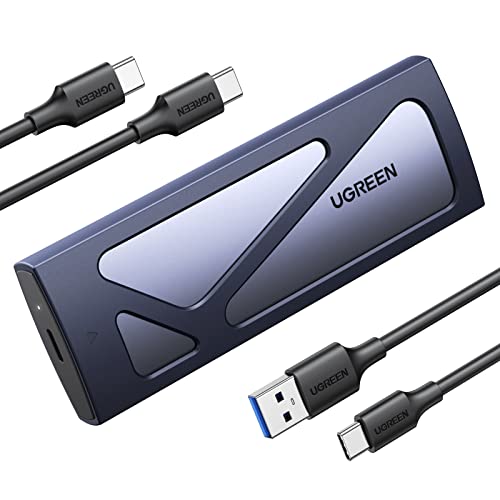 UGREEN SSD Enclosure Tool-Free USB C External
- 10Gbps NVMe Enclosure: With the latest USB 3.2…
- Tool-free SSD Enclosure: Tool-free NVMe SSD enclosure for…
- Broad Compatibility: The UGREEN M.2 NVMe SSD enclosure…
 SABRENT USB-C NVMe Enclosure & Reader
- Flip-Open Tool-Free Design: Open the cover, insert your…
- Cooler 10Gbps Performance: The aluminum enclosure presses the…
- NVMe Only for Maximum Speed: Supports M.2 NVMe…
 Thermalright Portable M.2 Enclosure Black-USB 3.2 Gen
- [Metal Build Quality] Designed for high-intensity read/write operations,…
- [10Gbps Extreme Speed] Supports USB 3.2 Gen 2…
- [Supports M.2 NVMe Protocol Drives] Compatible with M…
| Product | Key specs | |
|---|---|---|
| UGREEN SSD Enclosure Tool-Free USB C External | 10Gbps NVMe Enclosure: With the latest USB 3.2… Tool-free SSD Enclosure: Tool-free NVMe SSD enclosure for… Broad Compatibility: The UGREEN M.2 NVMe SSD enclosure… | Check price |
| SABRENT USB-C NVMe Enclosure & Reader | Flip-Open Tool-Free Design: Open the cover, insert your… Cooler 10Gbps Performance: The aluminum enclosure presses the… NVMe Only for Maximum Speed: Supports M.2 NVMe… | Check price |
| Thermalright Portable M.2 Enclosure Black-USB 3.2 Gen | [Metal Build Quality] Designed for high-intensity read/write operations,… [10Gbps Extreme Speed] Supports USB 3.2 Gen 2… [Supports M.2 NVMe Protocol Drives] Compatible with M… | Check price |
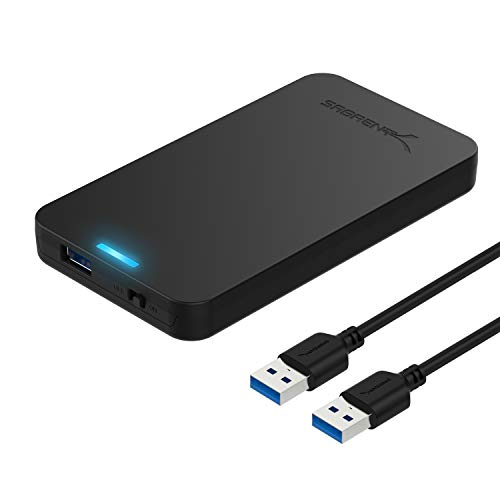 SABRENT 2.5in SATA to USB 3.0 Tool-Free SABRENT 2.5in SATA to USB 3.0 Tool-Free | Tool free design, easy to install,Transfer Rates Up… Suitable for 2.5” SATA/SSD;Supports Standard Notebook 2.5″ SATA… Optimized for SSD, Supports UASP SATA III,Backwards-Compatible with… | Check price |
 BENFEI 2.5 Inch SATA to USB Tool BENFEI 2.5 Inch SATA to USB Tool | Feature - BENFEI Type-C/Type-A 2.5 inch Hard Drive… Speed - Up to 5 Gbps data transfer… Design - With USB Type-C/Type-A plug design, provide… | Check price |
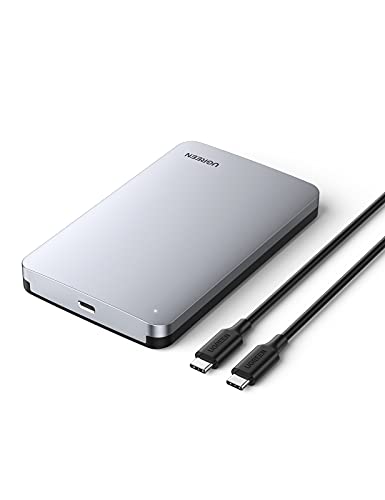 UGREEN USB C Hard Drive Enclosure for UGREEN USB C Hard Drive Enclosure for | 6Gbps High-Speed SSD Enclosure: UGREEN hard drive reader… Advanced Built-in Chipset: Built-in with ASM235CM chipset and… USB C Hard Drive Enclosure: UGREEN hard drive… | Check price |
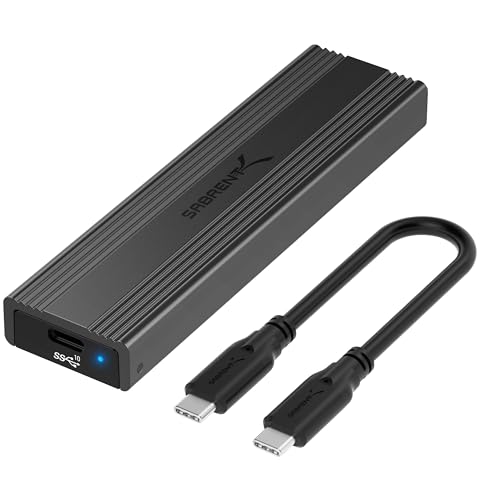 SABRENT Tool-Free NVMe & SATA M.2 SSD SABRENT Tool-Free NVMe & SATA M.2 SSD | ENCLOSURE ONLY, SSD NOT INCLUDED: This is the… FITS M.2 NVMe AND SATA: Works with both… 10GBPS USB 3.2 TYPE-C: Up to 10Gbps, and… | Check price |
 FIDECO M.2 NVMe SSD Enclosure FIDECO M.2 NVMe SSD Enclosure | 【Supported SSD】FIDECO NVMe enclosure can support M.2 NVMe… 【Super Fast Transfer Speed】FIDECO NVMe SSD enclosure adopts… 【Sandwich Design】FIDECO M.2 enclosure features sandwich-style design, which… | Check price |
As an Amazon Associate we earn from qualifying purchases at no extra cost to you.
🎮 Get More From Your Setup — Free
Prime Gaming gives you free PC games every month, in-game loot, and a free Twitch channel sub — plus fast free shipping on all the gear above. New members get a 30-day free trial.
Watch: Best Ssd Enclosure: Top Picks Reviewed — Video Review
How to Choose a Ssd Enclosure
- Drive type: Confirm whether your drive is an M.2 NVMe SSD, M.2 SATA SSD, or a 2.5″ SATA drive — enclosures are not interchangeable between these formats.
- Interface speed: USB 3.2 Gen 2 (10Gbps) enclosures let NVMe drives approach their real-world potential, while SATA drives max out around 5Gbps regardless of the enclosure’s rated speed.
- Key type and size support: M.2 drives come in B-key, M-key, or B&M-key variants and multiple lengths (2230–2280); pick an enclosure that explicitly lists compatibility with your drive’s size and key type.
- Thermal design: NVMe drives generate real heat under sustained transfers, so an aluminum shell or dedicated thermal pad helps avoid throttling during large file copies.
- Tool-free assembly: A slide-in or clip design saves time and avoids stripped screws when you’re swapping drives frequently or building your first external SSD.
The Best Ssd Enclosures Reviewed
UGREEN SSD Enclosure Tool-Free USB C 10Gbps M.2 NVMe
This UGREEN enclosure stands out for its broad compatibility, supporting both M-key and B&M-key NVMe drives across all common lengths from 2230 to 2280. The tool-free clip design and 10Gbps USB-C interface make it a strong all-around pick for anyone unsure exactly which M.2 drive they’ll be housing.
SABRENT USB-C NVMe Enclosure & Reader (EC-PNVO)
Sabrent’s EC-PNVO pairs a tool-free M.2 PCIe design with a proper aluminum cooling shell, which matters once you’re pushing sustained 10Gbps transfers on larger files. It’s a dependable choice for anyone treating this as a serious backup or scratch drive rather than occasional storage.
Thermalright Portable M.2 Enclosure (Black Aluminum)
Thermalright’s enclosure supports drives up to 8TB and leans on a black aluminum housing for passive cooling, making it well-suited to high-capacity NVMe drives that see heavy, sustained use. The 10Gbps USB 3.2 Gen 2 interface keeps transfer speeds competitive with other enclosures in this class.
SABRENT 2.5in SATA to USB 3.0 Enclosure (EC-UASP)
Built specifically for 2.5″ SATA SSDs, this Sabrent enclosure uses UASP over SATA III to minimize the overhead that typically slows down external drives. The tool-free black housing is a practical, no-frills option for repurposing an old laptop SSD as external storage.
BENFEI 2.5 Inch SATA to USB Tool Free Enclosure
BENFEI’s enclosure offers both USB-C and USB-A cabling in the box, which is a genuinely useful touch if you’re moving a drive between different devices. UASP support and a tool-free design make it a solid, budget-friendly option optimized specifically for SSDs.
Frequently Asked Questions
Can I use an M.2 NVMe enclosure for an M.2 SATA drive?
No — NVMe and SATA M.2 drives use different protocols, and most enclosures are built for one or the other. Check the enclosure’s listed compatibility carefully, since the physical connector can look identical despite the protocol mismatch.
Will a 10Gbps enclosure make my SATA SSD faster?
Not meaningfully — 2.5″ SATA SSDs are limited by the SATA III interface to roughly 550MB/s, so a 10Gbps USB enclosure won’t bottleneck the drive, but it also won’t exceed SATA’s inherent ceiling.
Do I need to format the drive after installing it in an enclosure?
If the drive is new or you’re repurposing it from another system, you’ll likely need to format it for your OS (exFAT works well for cross-platform use). Drives that already contain data you want to keep don’t need reformatting.
Are tool-free enclosures as durable as screw-based ones?
Quality tool-free enclosures with clip or slide mechanisms are generally just as durable for normal use, since the drive itself doesn’t experience physical stress once seated. The main advantage of screws is a slightly more rigid fit if the enclosure will be moved frequently.
Final Thoughts
For most NVMe drives, the UGREEN Tool-Free 10Gbps enclosure offers the best balance of compatibility and convenience, while the SABRENT EC-PNVO is worth the upgrade if thermal performance under sustained loads matters to you. If you’re housing a 2.5″ SATA SSD instead, the SABRENT EC-UASP remains a reliable, no-nonsense pick.