Key takeaways
- Old, dried-out paste is a common cause of creeping temperatures on a system a few years old.
- Clean the old paste off with isopropyl alcohol and apply a fresh pea-sized dot of quality paste.
- A good reapplication can drop temperatures by several degrees on a neglected cooler.
What's inside
A hot CPU is a throttled CPU. When temperatures climb past the mid-90s Celsius, your processor deliberately slows itself to avoid damage, costing you frame rate and making the fans scream. Whether you are seeing thermal throttling in games or just want a quieter, longer-lasting system, lowering CPU temps is one of the most impactful tuning jobs you can tackle.
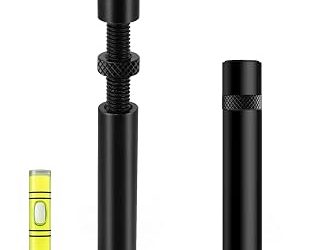
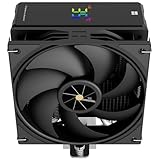
This guide covers the fixes in order of impact, from airflow and thermal paste to cooler upgrades and undervolting. A capable air cooler like the Thermalright Assassin X 120R, fresh thermal paste, and on Intel 12th-14th gen a contact frame to fix mounting pressure can each shave real degrees off your load temperatures.
As an Amazon Associate we earn from qualifying purchases at no extra cost to you.




⚡ Save on Your Next PC — Amazon Prime
Prime members get fast free shipping on the systems above, plus early access to Prime Day & Black Friday PC deals. New members get a 30-day free trial.
Watch: How to Lower CPU Temperatures — Video Review
Improve Case Airflow First
Before buying anything, fix airflow. A CPU cooler can only be as effective as the air feeding it. Ensure you have intake fans at the front and exhaust at the rear/top, keep cables clear of fan paths, and clean dust filters. A cool cooler needs cool air; a stuffy case sabotages even a premium heatsink.
Reapply Thermal Paste
- Old, dried-out paste is a common cause of creeping temperatures on a system a few years old.
- Clean the old paste off with isopropyl alcohol and apply a fresh pea-sized dot of quality paste.
- A good reapplication can drop temperatures by several degrees on a neglected cooler.
Upgrade the Cooler
If a stock cooler is choking a modern CPU, a better one pays off immediately. A strong dual-tower or 120mm-class air cooler like the Thermalright Assassin X handles most gaming chips, while a 240mm+ AIO liquid cooler suits high-core-count processors that dump a lot of heat during rendering or streaming.
Undervolt and Fix Mounting Pressure
Undervolting the CPU in BIOS lowers voltage while keeping performance, directly cutting heat output, and it is free. On Intel 12th-14th gen chips, the stock socket can bend the CPU slightly and worsen contact; a contact frame replaces the stock mechanism to flatten the chip and improve heat transfer, often dropping temps by several degrees.
Tips
- Set a sensible fan curve so fans ramp with temperature instead of running slow until it is too late.
- Reapply thermal paste every two to three years, sooner if temps climb.
- Undervolt in small steps and test stability, since too much drops performance or crashes.
- Keep the room itself cool; ambient temperature sets the floor for everything inside the case.
Frequently Asked Questions
What is a safe CPU temperature for gaming?
Under load, staying below about 85C is comfortable and leaves headroom. Most CPUs only throttle in the mid-90s, but running cooler keeps clocks high and fans quiet.
Does thermal paste really make a difference?
Yes, especially old paste. A dried-out application insulates rather than conducts. Fresh quality paste can lower temperatures by several degrees on a system that has run for a few years.
Air cooler or liquid cooler?
A quality air cooler handles most gaming CPUs and never leaks. A 240mm or larger AIO liquid cooler is worth it for high-core-count chips that produce a lot of heat during heavy multitasking or rendering.
Will undervolting hurt performance?
Done correctly, no. A modest undervolt lowers heat and often keeps full performance because a cooler chip throttles less. Push too far and it can reduce clocks or destabilize, so tune gradually.
Conclusion
Lowering CPU temperatures is a stack of fixes, each adding up: sort out case airflow, refresh dried thermal paste, upgrade a weak cooler, and consider undervolting or a contact frame for Intel chips. Start with the free airflow and paste steps before spending money, and you will end up with a cooler, quieter PC that holds its boost clocks instead of throttling under load.