Key takeaways
- If you spill liquid, unplug the board immediately, turn it upside down to drain, and let it dry fully before powering on.
- Sugary or sticky drinks require removing keycaps and cleaning the affected switches with isopropyl alcohol.
- Wash your hands before long sessions to reduce the oils and grime transferred to the keys.
- Keep food away from the keyboard, crumbs are the number one cause of sticky and unresponsive keys.
What's inside
- Watch: How to Clean a Mechanical Keyboard — Video Review
- Gather the Right Tools First
- The Quick Surface Clean
- Deep Cleaning: Removing and Washing Keycaps
- Cleaning the Exposed Switches and Plate
- Handling Spills and Ongoing Care
- Tips
- Related Guides
- Frequently Asked Questions
- Conclusion
- Related Articles
- Related Guides
A mechanical keyboard is built to last for years, but only if you keep it clean. Dust, crumbs, skin oils, and the occasional drink spill work their way between the keycaps and into the switches, where they cause sticky keys, mushy presses, and eventually failures. Regular cleaning not only keeps your board looking and feeling like new, it protects the investment you made in quality switches and keeps every keystroke crisp and responsive. The good news is that cleaning a mechanical keyboard is easy, satisfying, and requires only a few common tools.
- Watch: How to Clean a Mechanical Keyboard — Video Review
- Gather the Right Tools First
- The Quick Surface Clean
- Deep Cleaning: Removing and Washing Keycaps
- Cleaning the Exposed Switches and Plate
- Handling Spills and Ongoing Care
- Tips
- Related Guides
- Frequently Asked Questions
- Conclusion
- Related Articles
- Related Guides
This guide takes you from a quick surface tidy-up to a full deep clean, safely and step by step. You will learn what tools to use, how to remove and wash keycaps without damaging them, how to clean around the switches, and how often to do it. Whether you own a hot-swappable board or a sealed one, you will finish knowing exactly how to keep your keyboard in top condition for the long haul.
As an Amazon Associate we earn from qualifying purchases at no extra cost to you.


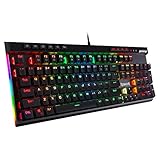
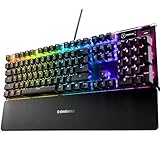


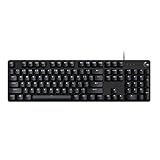

If your current board is past saving, or you want a fresh one that is easy to maintain, the keyboards above are our recommended picks, including hot-swappable models that make cleaning and switch care especially simple.
⚡ Save on Your Next PC — Amazon Prime
Prime members get fast free shipping on the systems above, plus early access to Prime Day & Black Friday PC deals. New members get a 30-day free trial.
Watch: How to Clean a Mechanical Keyboard — Video Review
Gather the Right Tools First
A proper clean starts with the right supplies, and none of them are expensive. You will want a keycap puller (many boards like the Redragon and AULA F75 Pro include one), a can of compressed air or a small blower, a soft brush, isopropyl alcohol of a high percentage, cotton swabs, and a microfiber cloth. For washing keycaps you just need warm water and a little mild dish soap. Avoid harsh household cleaners and never spray liquid directly onto the board. With these basics on hand you can handle everything from a light dusting to a full teardown clean.
The Quick Surface Clean
For regular upkeep, a fast clean every week or two prevents buildup from becoming a problem. Power down and unplug the keyboard, then turn it upside down and gently shake to dislodge loose crumbs. Use compressed air in short bursts between the keys to blow out dust, working across the board. Finish by wiping the keycaps and case with a microfiber cloth lightly dampened with isopropyl alcohol to lift skin oils and grime. This five-minute routine keeps your board hygienic and responsive and dramatically reduces how often you need a deep clean.
Deep Cleaning: Removing and Washing Keycaps
Every few months, or after a spill, do a full clean. Take a photo of your layout first so you know where each key goes. Use the keycap puller to remove the caps, rocking gently and pulling straight up, and be extra careful with larger stabilized keys like the spacebar. Soak the keycaps in warm water with a little mild dish soap for a while, then rinse and lay them out to dry completely, drying is the step people rush and regret. On a hot-swappable board like the AULA F75 Pro you can also remove switches for cleaning, but that is optional for most users.
Cleaning the Exposed Switches and Plate
With the keycaps off, the base of the board is exposed. Blow out dust and debris with compressed air, then use a soft brush to sweep particles from around the switches. For sticky spots or grime on the plate, lightly dampen a cotton swab with isopropyl alcohol and clean carefully, avoiding pooling liquid inside the switches. Isopropyl alcohol evaporates quickly, which makes it ideal here, but still use it sparingly. Once everything is clean and fully dry, reseat the keycaps using your reference photo, pressing each one firmly back into place.
Handling Spills and Ongoing Care
- If you spill liquid, unplug the board immediately, turn it upside down to drain, and let it dry fully before powering on.
- Sugary or sticky drinks require removing keycaps and cleaning the affected switches with isopropyl alcohol.
- Wash your hands before long sessions to reduce the oils and grime transferred to the keys.
- Keep food away from the keyboard, crumbs are the number one cause of sticky and unresponsive keys.
Tips
- Always photograph your keyboard layout before pulling keycaps so reassembly is effortless.
- Let keycaps dry completely, water trapped inside a cap or switch can cause problems when you power back on.
- Use isopropyl alcohol, not water, near switches, it cleans effectively and evaporates fast.
- A light weekly dusting means you rarely need a full teardown, saving time in the long run.
Frequently Asked Questions
How often should I clean my mechanical keyboard?
Do a quick surface clean every week or two and a full deep clean every few months, or immediately after any spill. Frequent light cleaning prevents buildup and means the occasional deep clean is much easier.
Can I wash mechanical keyboard keycaps in water?
Yes, most keycaps can soak in warm water with a little mild dish soap, then rinse and air dry. Just make sure they are completely dry before putting them back on, and never submerge the keyboard body itself.
Is it safe to use isopropyl alcohol on my keyboard?
Yes, high-percentage isopropyl alcohol is ideal because it cleans grime and evaporates quickly without leaving residue. Apply it with a cloth or cotton swab rather than pouring it, and keep it out of the switches themselves as much as possible.
What do I do if I spill a drink on my keyboard?
Unplug it right away, flip it over to drain, and let it dry thoroughly before powering on. For sticky or sugary drinks, remove the keycaps and clean the affected switches with isopropyl alcohol to prevent them from gumming up.
Conclusion
Keeping a mechanical keyboard clean is simple, cheap, and hugely rewarding, both for how your board feels and how long it lasts. Build a habit of quick weekly dusting, do a proper deep clean with washed keycaps every few months, and act fast on spills. With the right tools and a little care, every keystroke stays crisp and your keyboard keeps performing like the day you bought it, or, if it is finally time, one of the easy-to-maintain boards above will start you off fresh.