Key takeaways
- Table of Contents 6 sections 7 min read 1 The Short Answer 2 Standard Sizes 3 How to Measure Your Space 4 By Room or Use Case 4.1 1. Modern Living Room Media Center (Internal GDEMU Setup) 4.2 2. Compact…
What's inside
The Short Answer
Planning a retro gaming setup requires balancing both digital file storage capacity and physical furniture dimensions. To store the entire North American Sega Dreamcast game library in full uncompressed GDI format, you need approximately 270 GB to 320 GB of digital storage space. If you expand your collection to include European (PAL), Japanese (NTSC-J), homebrew, and prototype releases, the complete global library requires 950 GB to 1.2 TB of storage.
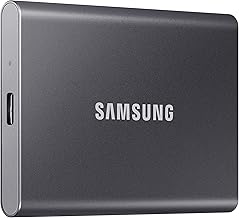
For most home media consoles and desk setups, a 512 GB MicroSD card (used with internal optical drive emulators like GDEMU) or a 1 TB external 2.5-inch Solid State Drive (SSD) provides the ideal capacity. Physically, an internal SD card adds zero extra footprint to your entertainment center, while an external portable drive requires a compact surface footprint of roughly 4.5 by 3.0 inches (11.4 by 7.6 cm). To properly house the original Dreamcast console along with its power cables and video adapters, your media shelf must be at least 12 inches deep (30.5 cm), 10 inches wide (25.4 cm), and 10.5 inches high (26.7 cm) to accommodate top-loading access and thermal airflow.
Standard Sizes
Whether you are integrating a physical Sega Dreamcast into a custom media cabinet or setting up an emulation drive on a living room shelf, physical measurements and storage capacities dictate your overall layout. Below are standard sizes, weights, power demands, and typical price ranges for Dreamcast ROM storage devices and console hardware.
| Storage Type / Hardware Form Factor | Dimensions (Inches) | Dimensions (Centimeters) | Storage / Data Capacity Range | Weight & Power Requirements | Typical Price Range |
|---|---|---|---|---|---|
| MicroSDXC Card (GDEMU Internal Mod) | 0.59″ x 0.43″ x 0.04″ | 1.5 cm x 1.1 cm x 0.1 cm | 128 GB – 1 TB (100 to 1,000+ games) | 0.02 oz (0.5 g) < 0.5 Watts |
$15 – $90 |
| 2.5-Inch Portable External SSD/HDD | 4.50″ x 3.00″ x 0.50″ | 11.4 cm x 7.6 cm x 1.3 cm | 512 GB – 2 TB (Full global set + media) | 5.0 oz (140 g) 2.5W – 5.0W (USB Powered) |
$40 – $120 |
| 3.5-Inch Desktop External Drive | 6.90″ x 5.50″ x 1.70″ | 17.5 cm x 14.0 cm x 4.3 cm | 2 TB – 8 TB (Multi-system archive) | 2.1 lbs (950 g) 10W – 18W (AC Wall Adapter) |
$60 – $160 |
| 2-Bay Network Attached Storage (NAS) | 8.85″ x 4.25″ x 6.30″ | 22.5 cm x 10.8 cm x 16.0 cm | 4 TB – 32 TB (Network network streaming) | 5.5 lbs (2.5 kg) 15W – 30W (AC Powered) |
$180 – $350 (Unpopulated) |
| Original Sega Dreamcast Console | 7.50″ x 7.70″ x 3.00″ | 19.0 cm x 19.5 cm x 7.5 cm | N/A (Hardware unit footprint) | 3.3 lbs (1.5 kg) 27 Watts maximum |
$80 – $150 (Used hardware) |
| Standard Physical Jewel Case | 5.59″ x 4.92″ x 0.39″ | 14.2 cm x 12.5 cm x 1.0 cm | Single GD-ROM disc space | 3.5 oz (100 g) 0 Watts |
$2 – $5 (Replacement case) |
How to Measure Your Space
Designing a tidy, efficient retro gaming corner requires calculating digital file requirements alongside physical furniture clearances. Follow these five steps to ensure your hardware fits comfortably within your living space and storage media.
- Calculate Digital Library Volume: Determine which file format you intend to use. Raw 1:1 GD-ROM dumps in
.GDIformat average 1.18 GB per game. Compressed.CDIfiles average roughly 700 MB to 800 MB per game. Multiply your target game count by 1.2 GB to establish your minimum required digital capacity. - Account for File System Formatting Loss: Storage drives formatted in FAT32 or exFAT lose roughly 7% to 10% of their advertised capacity to file system overhead and cluster allocation limits. A 512 GB card provides approximately 476 GB of usable space, while a 1 TB drive yields roughly 930 GB of real-world file storage.
- Measure Furniture Cabinet Shelf Depth: The original console measures 7.7 inches (19.5 cm) deep. However, video out cables (such as HDMI converters or VGA boxes) stick out 2.5 to 3.5 inches from the rear. Ensure your cabinet shelf has at least 12 inches (30.5 cm) of usable internal depth so cabinet doors close without pinching cables.
- Determine Vertical Clearance for Ventilation and Use: If using an unmodded original console, the top-loading disc lid opens upward by an additional 4.5 inches (11.4 cm), requiring a minimum shelf clearance height of 10.5 inches (26.7 cm). For modded consoles utilizing internal SD card extenders, keep at least 3 inches (7.6 cm) of open overhead space to facilitate heat dissipation from the internal power supply.
- Map Out Power Strips and Peripheral Footprints: Account for external drive power bricks and original power supplies. A standard 3.5-inch external desktop hard drive requires an AC wall outlet and adds a 1.7-inch wide footprint. If using external drive bays, leave 2 inches (5.1 cm) of side clearance for active cooling fans.
By Room or Use Case
1. Modern Living Room Media Center (Internal GDEMU Setup)
In 2026, minimalist media consoles prioritize clean sightlines and hidden cables. Replacing the original optical drive with a GDEMU board allows you to store your entire Dreamcast library on a single MicroSD card inserted directly inside the console casing. Using a 512 GB MicroSD card ($30–$45) housed inside the console eliminates all external drive boxes and wire clutter. Your media shelf only needs to accommodate the console’s footprint of 7.5 by 7.7 inches (19.0 by 19.5 cm), allowing it to fit into slim television credenzas and low-profile entertainment units with ease.
2. Compact Desktop Workstation & PC Emulation Setup
If you play retro games on a PC emulator (such as Flycast or Redream) at your office desk, your storage resides on external drives or internal NVMe SSDs. A 1 TB portable 2.5-inch solid-state drive occupies a tiny surface footprint of only 4.5 by 3.0 inches (11.4 by 7.6 cm) and weighs just 5 ounces (140 g). It draws power directly through a single USB cable (consuming 2.5W to 5W), keeping desktop cable clutter to a minimum while providing enough space for the complete 1.2 TB global Dreamcast collection when paired with your main drive.
3. Network Storage & Multi-Room Retro Hub
For dedicated home media rooms containing multiple emulation PCs, smart TVs, and handheld consoles, hosting game files on a 2-bay Network Attached Storage (NAS) device is the most efficient solution. A 2-bay NAS unit occupies an area of 8.85 by 4.25 inches (22.5 by 10.8 cm) on a shelf or desk, requiring 15W to 30W of operational power. Storing a 1.2 TB global ROM collection on a network drive lets you stream games across your entire home network without taking up local storage space on individual devices.
4. Physical Media Display & Dedicated Cabinet Shelving
If you collect physical Dreamcast games in original jewel cases, physical shelf space becomes your primary concern. Each standard jewel case measures 5.59 inches tall, 4.92 inches deep, and 0.39 inches wide (14.2 x 12.5 x 1.0 cm). A complete North American set of 248 physical games requires roughly 97 linear inches (246 cm) of shelf width—equivalent to three full tiers of a standard 36-inch media bookcase. The physical collection weighs approximately 54 pounds (24.5 kg), requiring sturdy solid wood or reinforced composite shelving.
Common Sizing Mistakes
Ignoring Rear Cable Clearance: Measuring only the console’s physical body without adding space for cable connectors is a frequent oversight. Power plugs and display cables stick out 3 inches from the back of the console, causing cables to bend sharply against cabinet backings if shelf depth is under 12 inches (30.5 cm).
Underestimating Uncompressed GDI File Sizes: Many users estimate drive requirements based on compressed .CDI files (approx. 700 MB each). However, full uncompressed .GDI dumps contain raw GD-ROM tracks and average 1.18 GB per title. Buying a 256 GB card leaves you approximately 60 GB short of storing the full US set in 1:1 uncompressed format.
Enclosing Power Supplies in Tight Cubbies: Original Dreamcast power supply units (PSUs) run notoriously hot, especially when converting AC power without an optical drive load. Placing the console in a tight cabinet cubby with less than 2 inches (5.1 cm) of side and top ventilation leads to thermal buildup, which can degrade hardware components over extended gaming sessions.
FAQ
How many gigabytes is a single Sega Dreamcast ROM?
A full 1:1 raw dump of a Dreamcast GD-ROM (in .GDI format) measures approximately 1.18 GB (1,182 Megabytes). Compressed .CDI format files, which trim non-essential padding or downsample audio/video tracks, range between 700 MB and 800 MB per file.
How big is the entire Sega Dreamcast game library?
The entire official North American (NTSC-U) library consists of 248 titles and requires roughly 270 GB to 320 GB of storage space in .GDI format. The full worldwide library (including European, Japanese, prototype, and indie homebrew releases) requires between 950 GB and 1.2 TB of storage.
Can I fit all Dreamcast games onto a 256 GB SD card?
A 256 GB SD card provides about 238 GB of usable formatted storage. While this easily fits a curated collection of 180 to 200 top titles, it falls just short of holding the complete 248-game US library in uncompressed GDI format. Upgrading to a 512 GB MicroSD card is recommended for complete region collections.
How much physical shelf depth do I need for a Dreamcast gaming setup?
Your media cabinet shelf should have a minimum internal depth of 12 inches (30.5 cm). This provides enough space for the 7.7-inch deep console, 3 inches of rear clearance for video and power cables, and 1.3 inches of front edge safety margin.