Key takeaways
- Table of Contents 7 sections 8 min read 1 Quick Verdict 2 Side by Side 3 Where Microswitch Wins 4 Where Rubber Dome D Pad for Emulation Wins 5 Cost Over 5 Years 6 Which One for Your Home 6.1…
What's inside
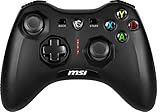
Integrating a retro gaming emulation setup into your home living space requires balancing gaming performance with living area harmony. Whether you are crafting a custom bartop arcade cabinet for your den or selecting a sleek controller for your living room coffee table, the directional pad (D-pad) architecture directly shapes your daily experience. The core decision in microswitch vs rubber dome d pad for emulation comes down to two distinct internal switch mechanisms: tactile, mechanical microswitches versus soft, conductive silicone rubber membranes. In 2026, home retro setups range from subtle living room controllers like the budget-friendly Logitech G F310 Wired Gamepad Controller Console – Blue/Black ($15.99) or the versatile msi Force GC30V2 Wireless Gaming Controller ($31.52) to custom DIY home arcades utilizing individual components like the HiLetgo 10pcs Micro Limit Switch KW12-3 AC 250V 5A SPDT 1NO 1NC Micro Switch Normally Open Close Limit Switch with Roller Lever Arm Black ($5.99) or the 12 Pcs Micro Limit Switch with Long Hinge Lever SPDT 1NO 1NC Microswitch V-153-1C25 ($7.99). Understanding how these switch types operate helps you choose the right balance of noise level, actuation speed, comfort, and long-term durability for your household environment.
Quick Verdict
Choose a microswitch D-pad if you prioritize crisp tactile precision, rapid actuation, and long-term mechanical durability for fast-paced fighting and arcade games in a dedicated home gaming room. Choose a rubber dome D-pad if you want a quiet acoustic profile, authentic classic console feel, smooth diagonal rolling, and non-disruptive play in shared living spaces, bedrooms, or rentals where clicky button noise might disturb family members or housemates.
As an Amazon Associate we earn from qualifying purchases at no extra cost to you. Product prices and availability are accurate as of the date shown and are subject to change.


Side by Side
| Feature | Microswitch D-Pad | Rubber Dome D-Pad |
|---|---|---|
| Actuation Travel Distance | 0.3 mm to 0.5 mm | 1.2 mm to 1.6 mm |
| Actuation Force | 50 g to 65 g | 35 g to 50 g |
| Acoustic Noise Level | Audible click (50 to 60 dB) | Near-silent cushion (30 to 35 dB) |
| Lifespan Rating | 5,000,000 to 10,000,000 presses | 1,000,000 to 3,000,000 presses |
| Tactile Feel | Sharp, snappy, clicky response | Soft, cushioned, classic push |
| Diagonal Input Precision | Distinct cardinal/diagonal clicks | Smooth, fluid circular roll |
| Price Range (Controllers/Parts) | $30 to $120 ($0.50–$1.50 per spare switch) | $15 to $50 ($0.20–$0.50 per replacement membrane) |
| Maintenance Needs | Low switch degradation; rare cleaning | Membranes tear or lose conductivity over time |
| Home Visual & Physical Profile | Industrial look; common in arcade builds | Streamlined; standard living room controller style |
| Best For | Arcade, fighting, and rhythm emulation | Classic 8/16-bit platformers, RPGs, late-night play |
Where Microswitch Wins
Microswitch D-pads excel in environments where absolute precision and tactile feedback are non-negotiable. Operating with a tiny actuation travel distance of just 0.3 mm to 0.5 mm and an actuation force around 55 grams, microswitches register directional inputs almost instantly. This rapid response makes them the premier choice for arcade emulation, competitive 2D fighting games, and tight platformers where misinputs mean immediate failure.
Because microswitches use metallic spring contacts enclosed inside self-contained plastic housings, they deliver a highly distinct, audible snap upon activation. You never have to guess whether a directional input registered, which helps build precise muscle memory. Furthermore, mechanical microswitches are remarkably durable. Most switch components are rated for 5 million to 10 million actuations, making them far less prone to input failure, tearing, or squishiness over years of heavy daily play.
For DIY home arcade builders, custom furniture integration, or dedicated gaming desks, microswitches offer unparalleled serviceability. Component kits like the 12 Pcs Micro Limit Switch V-153-1C25 or the HiLetgo 10pcs Micro Limit Switch KW12-3 allow builders to solder or snap individual switches into custom control panels, arcade sticks, or modified controllers with minimal expense and long-term reliability.
Where Rubber Dome D Pad for Emulation Wins
Rubber dome D-pads dominate shared living spaces due to their soft feel and quiet operating volume. A conductive rubber dome works by pushing a flexible silicone bubble downward, forcing a conductive carbon pill against gold contacts on a printed circuit board. This cushioned mechanism creates an acoustic signature measuring just 30 to 35 decibels—comparable to a whisper—versus the 50 to 60 decibel click of a microswitch setup. If your gaming setup sits in a central living room, studio apartment, or shared bedroom, rubber dome gamepads keep late-night emulation sessions completely silent.
Beyond sound control, rubber dome D-pads provide authentic nostalgia. Original consoles like the NES, Super Nintendo, Sega Genesis, and Game Boy all utilized conductive rubber membranes beneath their D-pads. The 1.2 mm to 1.6 mm key travel and gentle resistance allow for comfortable, rolling thumb movements that make executing quarter-circle moves in classic fighters feel smooth rather than sharp or segmented.
Rubber dome controllers are also economical and lightweight. Reliable controllers such as the Logitech G F310 Wired Gamepad Controller Console offer comfortable rubber dome navigation at an accessible price point, making them easy to stock for multi-player family gaming nights without worrying about fragile internal springs.
Cost Over 5 Years
When assessing long-term ownership costs, consider both initial price and ongoing maintenance. A standard rubber dome gamepad costs between $15 and $35 upfront. However, rubber membranes undergo material fatigue over time; frequent directional pressing can tear the silicone domes or rub off the conductive carbon pad within 18 to 36 months of heavy gaming. Replacing worn silicone membranes requires sourcing $5 silicone pads or buying a replacement controller every two to three years, totaling roughly $45 to $90 per controller port over a 5-year span.
Microswitch gamepads carry a higher initial investment—typically $30 to $120 for specialized controllers like the msi Force GC30V2 Wireless Gaming Controller with interchangeable directional plates. However, mechanical microswitches rarely wear out within 5 years. Even if a switch fails in a custom arcade control deck or modular controller, replacing individual limit switches costs less than $1 each when bought in multi-packs ($6 to $8 for 10 to 12 switches). Over 5 years, microswitch setups often yield a lower cost per gaming hour due to their structural durability and minimal component degradation.
Which One for Your Home
Small Apartment
In a small apartment where living room sound easily travels between rooms, acoustic management is a priority. A rubber dome D-pad keeps noise levels minimal while you relax on the sofa. Controllers like the Logitech G F310 store easily in small TV stand drawers, providing a quiet, low-profile footprint that won’t disturb partners or neighbors during late-night emulation sessions.
Family with Kids/Pets
Household living areas with children and pets demand hardware that tolerates rough handling and accidental drops. Rubber dome controllers feature fewer delicate mechanical lever arms, making them resilient against drop impacts on hardwood or tile floors. Additionally, their lower replacement costs make swapping out a damaged unit stress-free for family entertainment centers.
Rental
Renters often need versatile setups that transition smoothly between different room layouts without permanent installation. A wireless rubber dome gamepad or a versatile hybrid controller like the msi Force GC30V2 provides the flexibility to play at a desk, on a bed, or from a sofa without installing noisy arcade fixtures or running long cables across open walkways.
Long-Term Home
If you own your home and are constructing a dedicated entertainment basement, custom media room, or standing arcade cabinet, microswitches are the ideal choice. Installing long-lasting limit switches—such as HiLetgo KW12-3 switches or V-153-1C25 lever switches—into a solid wood or acrylic arcade console creates an authentic, commercial-grade arcade feel that withstands decades of competitive family gaming.
FAQ
Can I convert a rubber dome gamepad to microswitches?
Converting a standard rubber dome gamepad to microswitches requires significant electronic modifications. Because rubber dome circuit boards rely on flat surface contact pads rather than soldered switch pins, you would need to scrape trace lines, solder tiny surface wires, and physically carve out internal plastic housing space to fit microswitch assemblies. For most users, purchasing a dedicated microswitch gamepad or building a custom arcade stick with pre-cabled microswitches is far more practical.
Are microswitches louder than rubber domes for living room gaming?
Yes, mechanical microswitches generate an audible metallic “click” during every press, measuring between 50 and 60 dB. Rubber dome membranes produce a soft, muted thump below 35 dB. In a quiet living room where someone else is watching television or sleeping nearby, microswitch noise is noticeably distinct, whereas rubber dome pads remain nearly silent.
Which D-pad switch style is better for fighting game special moves?
It depends on your control technique. Microswitches offer distinct tactile feedback for precise cardinal directions (Up, Down, Left, Right), making them exceptional for precision blocking and strict command inputs. Rubber domes feature a continuous rubber sheet that makes fluid circular sweeps (like quarter-circle forward) feel smoother on thumb skin, though with slightly less immediate feedback per directional shift.
How long do conductive rubber dome membranes last compared to microswitches?
Standard conductive rubber domes are generally rated for 1 million to 3 million presses before the silicone tears or the conductive carbon layer degrades. In contrast, quality mechanical microswitches are rated for 5 million to 10 million presses. Microswitches typically last two to three times longer than rubber domes under identical gaming conditions.