Key takeaways
- For battery life: Snapdragon models run dramatically longer between charges.
- For app compatibility: Intel handles niche x86 software and legacy peripherals without emulation.
- For always-on connectivity: Snapdragon offers 5G configurations for working anywhere.
- For enterprise IT: Intel’s established compatibility eases deployment in managed environments.
- For AI features: both are Copilot+ PCs, but Snapdragon’s NPU efficiency shines on the go.
What's inside
Microsoft’s Surface Pro line now comes with a genuine fork in the road: a Snapdragon X-series Arm chip or an Intel Core Ultra processor. The choice affects battery life, app compatibility, connectivity, and raw performance in ways that are easy to overlook until you have lived with the wrong pick for a month.
This comparison lays out the real trade-offs between Snapdragon and Intel Surface Pro models, drawing on the current 2-in-1 configurations, so you can match the silicon to how you actually use a tablet-laptop hybrid. Here is the honest breakdown.
As an Amazon Associate we earn from qualifying purchases at no extra cost to you. Product prices and availability are accurate as of the date shown and are subject to change.




🎮 Get More From Your Setup — Free
Prime Gaming gives you free PC games every month, in-game loot, and a free Twitch channel sub — plus fast free shipping on all the gear above. New members get a 30-day free trial.
Watch: Snapdragon Vs Intel Surface Pro: Full Comparison — Video Review
Quick Verdict
The Snapdragon Surface Pro wins on battery life, always-connected 5G options, and quiet, cool operation, making it ideal for mobile users who live in mainstream apps. The Intel Surface Pro wins on broad app and peripheral compatibility, making it the safer choice for anyone reliant on specialized x86 software or legacy accessories.
Snapdragon Surface Pro
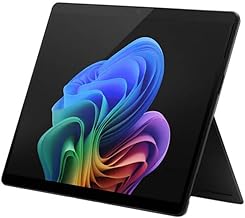
The Snapdragon X Elite and X Plus models, including the Surface Pro 11 bundles, lead with exceptional efficiency. Battery life stretches well beyond what Intel typically manages, the fanless designs run silent, and NPU performance powers Copilot+ AI features smoothly. The OLED 120Hz touchscreen configurations look stunning, and 5G connectivity on select models keeps you online anywhere.
The catch is compatibility. Arm-based Windows runs most modern apps natively or through emulation, but some specialized software, older peripherals, and certain games can stumble. For web, Office, creative apps with Arm support, and AI workflows, though, the Snapdragon experience is excellent.
Intel Surface Pro
The Intel Core Ultra 7 models, including the business-oriented 2025 configurations, prioritize universal compatibility. If your workflow depends on niche x86 applications, legacy drivers, or specific accessories, Intel simply works without the emulation caveats that occasionally trip up Arm.
The trade-off is efficiency: Intel models generally run shorter battery lives and can spin up fans under load. Performance in traditional apps is strong, and for many professionals the peace of mind around compatibility outweighs the battery gap, especially in enterprise environments with established software stacks.
Head-to-Head: Which Should You Buy?
- For battery life: Snapdragon models run dramatically longer between charges.
- For app compatibility: Intel handles niche x86 software and legacy peripherals without emulation.
- For always-on connectivity: Snapdragon offers 5G configurations for working anywhere.
- For enterprise IT: Intel’s established compatibility eases deployment in managed environments.
- For AI features: both are Copilot+ PCs, but Snapdragon’s NPU efficiency shines on the go.
Frequently Asked Questions
Does Snapdragon run all Windows apps?
Most modern apps run natively or via emulation, but some specialized software and older peripherals may not work perfectly on Arm.
Which has better battery life?
Snapdragon models are notably more efficient, often lasting well beyond comparable Intel configurations on a charge.
Is Intel better for gaming?
For broader game and anti-cheat compatibility, Intel is the safer bet, though neither Surface Pro is a dedicated gaming device.
Are both Copilot+ PCs?
Yes, both Snapdragon and current Intel Surface Pro models qualify as Copilot+ PCs with capable NPUs for AI features.
Final Verdict
Choose the Snapdragon Surface Pro if you prize all-day battery, silent operation, and optional 5G, and your apps are mainstream or Arm-ready. Choose the Intel Surface Pro if compatibility with specialized software and legacy peripherals is non-negotiable, particularly in a business setting where predictability matters most.