Key takeaways
- If you game in long stretches, prioritize deep padding, strong lumbar support, and a recline function for posture changes.
- If your chair doubles as a work seat, favor breathable material and fully adjustable armrests for typing comfort.
- If you are on the larger side, choose a big-and-tall model with a higher weight rating and wider seat.
- If you run hot, lean toward fabric upholstery over leatherette for better airflow.
What's inside
- Watch: Gaming Chair Buying Guide — Video Review
- Ergonomics and Lumbar Support Come First
- Adjustability Is What Makes a Chair Fit You
- Materials, Padding, and Build Quality
- Size and Weight Capacity
- Match the Chair to How You Sit
- Tips
- Related Guides
- Frequently Asked Questions
- Conclusion
- Related Articles
- Related Guides
A gaming chair is the one piece of your setup that touches you the entire time you play, yet it is often the last thing people research. That is a mistake. The right chair supports your posture through long sessions, keeps your back and neck comfortable, and quietly prevents the aches that turn a marathon gaming night into a next-day regret. The wrong one squeaks, sags, and leaves you shifting around trying to get comfortable instead of focusing on the game.
- Watch: Gaming Chair Buying Guide — Video Review
- Ergonomics and Lumbar Support Come First
- Adjustability Is What Makes a Chair Fit You
- Materials, Padding, and Build Quality
- Size and Weight Capacity
- Match the Chair to How You Sit
- Tips
- Related Guides
- Frequently Asked Questions
- Conclusion
- Related Articles
- Related Guides
This guide walks you through everything that actually matters when buying a gaming chair in 2026, from ergonomic support and adjustability to build materials, size, and weight capacity. You will learn which features are genuinely useful versus marketing fluff, how to match a chair to your body, and how to spot quality that lasts. By the end you will know exactly what to look for so your next chair supports you for years.
As an Amazon Associate we earn from qualifying purchases at no extra cost to you.


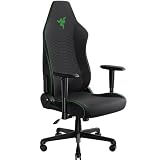
The chairs above are our recommended picks, spanning ergonomic models with lumbar and footrest support to heavy-duty options built for bigger frames, so you can find one that fits your body and your desk.
⚡ Save on Your Next PC — Amazon Prime
Prime members get fast free shipping on the systems above, plus early access to Prime Day & Black Friday PC deals. New members get a 30-day free trial.
Watch: Gaming Chair Buying Guide — Video Review
Ergonomics and Lumbar Support Come First
The whole point of a good chair is to hold you in a healthy position without effort. Look for genuine lumbar support that fills the natural curve of your lower back, either built into the backrest or provided as an adjustable pillow, as seen on chairs like the GTPLAYER and WOTSTA models. A supportive headrest takes strain off your neck during long sessions. The goal is a chair that keeps your spine aligned and your shoulders relaxed, so you can sit for hours without slouching into the aches that come from poor support.
Adjustability Is What Makes a Chair Fit You
No two bodies are the same, so adjustability is what turns a generic chair into your chair. Prioritize height adjustment so your feet rest flat and your eyes meet the monitor comfortably, a reclining backrest so you can lean back and change posture, and armrests that move to support your forearms while gaming or typing. Extras like a built-in footrest, found on many of the picks above, let you fully recline for breaks. The more a chair adapts to you, the better it supports good posture across different tasks and moods.
Materials, Padding, and Build Quality
A chair lives or dies on what it is made from. Look at the upholstery, breathable fabric stays cooler over long sessions while leatherette (PU leather) is easy to wipe clean but can run warm. The cushion matters too, higher-density foam or pocket-spring seats, like those on the Kslysuty and heavy-duty GTPLAYER models, resist sagging far better than cheap thin padding. A sturdy metal frame, a reliable gas lift, and a solid five-star base with smooth casters are the difference between a chair that stays firm for years and one that wobbles within months.
Size and Weight Capacity
A chair only supports you well if it is built for your body. Check the seat width and depth, the backrest height, and especially the weight capacity, standard chairs typically handle around 300 pounds, while big-and-tall models are rated higher and offer wider seats for larger frames. If you are tall, make sure the backrest and headrest reach high enough to actually support your shoulders and neck. Buying a chair sized for your body is one of the most overlooked factors, and one of the most important for real, lasting comfort.
Match the Chair to How You Sit
- If you game in long stretches, prioritize deep padding, strong lumbar support, and a recline function for posture changes.
- If your chair doubles as a work seat, favor breathable material and fully adjustable armrests for typing comfort.
- If you are on the larger side, choose a big-and-tall model with a higher weight rating and wider seat.
- If you run hot, lean toward fabric upholstery over leatherette for better airflow.
Tips
- Set the chair height so your feet are flat on the floor and your knees sit at roughly a right angle.
- Position the lumbar support to fill the small of your back, not to push you forward uncomfortably.
- Adjust armrests so your shoulders stay relaxed and your forearms are supported while your hands are on the desk.
- Check the weight capacity and seat dimensions against your own measurements before buying, not after.
Frequently Asked Questions
Are gaming chairs actually better than office chairs?
They can be, especially the ergonomic models with strong lumbar and headrest support, deep padding, and full adjustability. The key is the features, not the label, a well-built gaming chair with proper support beats a cheap office chair, but both come in good and bad versions.
What weight capacity do I need?
Standard chairs are usually rated around 300 pounds and suit most people. If you are heavier or want a wider, more robust seat, choose a big-and-tall model with a higher rating like the heavy-duty GTPLAYER, which is built for extra load and size.
Is a footrest worth having?
If you like to recline and take breaks, yes. A built-in footrest lets you stretch out and change position without leaving the chair, which helps circulation and comfort during long sessions. Several of the picks above include one.
Fabric or leatherette, which should I choose?
Fabric breathes better and stays cooler over long sessions, while leatherette wipes clean easily and looks sleek but can get warm. Choose based on your climate and how much you value easy cleaning versus airflow.
Conclusion
A gaming chair is a long-term investment in your comfort and posture, so buy it with the same care you give your GPU or monitor. Prioritize real ergonomic and lumbar support, insist on the adjustability that lets the chair fit your body, and check the materials, build quality, and weight capacity for lasting durability. Match the chair to how and how long you sit, and it will quietly support you through countless gaming sessions without a single ache to show for it.