Key takeaways
- For competitive esports: pick a wired headset for guaranteed zero-latency audio during ranked matches.
- For multi-device gamers: pick a wireless option like the SteelSeries Arctis Nova 5 or Turtle Beach Stealth 500 that pairs across PC, console, and mobile.
- For long play sessions: pick the HyperX Cloud Alpha Wireless or Razer BlackShark V3 X for extended battery life and cable-free comfort.
- For budget shoppers: pick a wired headset to get solid audio quality without paying for wireless hardware.
- For couch or living-room setups: pick wireless so you can sit back without being tethered to your console.
What's inside
Choosing between a wireless and a wired gaming headset comes down to one core tradeoff: freedom versus certainty. Wireless headsets free you from cable clutter and let you lean back, pace around, or switch between console and phone without unplugging anything. Wired headsets, meanwhile, guarantee zero latency, no charging anxiety, and consistent audio quality regardless of interference from routers, microwaves, or a crowded gaming setup.
The right choice depends on how and where you play. Competitive shooters demand the lowest possible input lag, while long RPG or open-world sessions benefit from the comfort and freedom of movement wireless offers. Below, we compare today’s best wireless gaming headsets against traditional wired options so you can decide which fits your setup, your budget, and your play style.
As an Amazon Associate we earn from qualifying purchases at no extra cost to you. Product prices and availability are accurate as of the date shown and are subject to change.


🎮 Get More From Your Setup — Free
Prime Gaming gives you free PC games every month, in-game loot, and a free Twitch channel sub — plus fast free shipping on all the gear above. New members get a 30-day free trial.
Watch: Wireless vs Wired Gaming Headset: Which Is Best? — Video Review
Quick Verdict
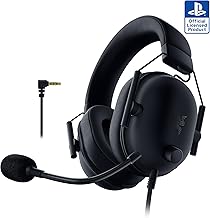
Wireless gaming headsets like the Razer BlackShark V3 X, SteelSeries Arctis Nova 5, and HyperX Cloud Alpha Wireless are best for players who value freedom of movement, multi-device flexibility, and long battery life for marathon sessions. Wired headsets remain the better choice for competitive esports players and budget-conscious gamers who want zero-latency audio, no charging routine, and a lower price point without sacrificing sound quality.
Wireless Gaming Headsets
Modern wireless headsets have largely closed the latency gap that once made them a risky choice for competitive play. Options like the Turtle Beach Stealth 600 and Ozeino Wireless Gaming Headset use 2.4GHz USB connections that deliver near-instant response times, while still offering Bluetooth as a secondary link for mobile devices or voice calls. Battery life has also improved dramatically — the HyperX Cloud Alpha Wireless boasts an industry-leading 300 hours, and the Razer BlackShark V3 X and SteelSeries Arctis Nova 5 both offer 60-70 hours, meaning most players can go a week or more between charges.
The biggest advantage is flexibility. Multi-system headsets like the Turtle Beach Stealth 500 and Arctis Nova 5 pair with PC, PS5, Switch, and mobile without swapping cables, and flip-to-mute mics make muting fast and tactile. The tradeoff is weight and price — batteries and wireless chips add bulk and cost, and you’ll need to remember to charge them, ideally during downtime rather than mid-session.
Audio quality is no longer a compromise either. 50mm drivers, DTS Headphone:X spatial audio, and customizable EQ presets found in headsets like the Cloud Alpha Wireless and Stealth 500 rival many wired counterparts, making wireless a legitimate option even for audio purists.
Wired Gaming Headsets
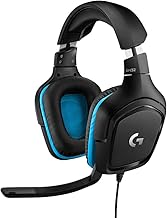
Wired headsets win on simplicity and reliability. There’s no pairing process, no signal dropout, and no battery to manage — plug in and play. For competitive gamers, the near-zero latency of a direct wired connection removes any doubt about audio sync, which matters when milliseconds affect reaction time in fast-paced shooters.
Price is another advantage. Without wireless transmitters or rechargeable batteries, wired headsets are typically more affordable at comparable audio quality, making them attractive for budget builds or backup headsets. They also tend to be lighter, since there’s no battery pack adding weight to the headband.
The downside is obvious: you’re tethered to your device. This becomes a real limitation if you switch frequently between console, PC, and phone, or if you prefer moving around during breaks without unplugging. Cable management can also become an annoyance in cluttered desk setups.
Head-to-Head: Which Should You Buy?
- For competitive esports: pick a wired headset for guaranteed zero-latency audio during ranked matches.
- For multi-device gamers: pick a wireless option like the SteelSeries Arctis Nova 5 or Turtle Beach Stealth 500 that pairs across PC, console, and mobile.
- For long play sessions: pick the HyperX Cloud Alpha Wireless or Razer BlackShark V3 X for extended battery life and cable-free comfort.
- For budget shoppers: pick a wired headset to get solid audio quality without paying for wireless hardware.
- For couch or living-room setups: pick wireless so you can sit back without being tethered to your console.
Frequently Asked Questions
Do wireless gaming headsets have noticeable audio lag?
Modern 2.4GHz wireless headsets, such as those using Razer’s HyperSpeed or SteelSeries’ dedicated 2.4GHz mode, have virtually eliminated perceptible lag for gaming. Bluetooth connections can introduce slightly more delay, so most competitive players still prefer the 2.4GHz USB mode when available.
How long do wireless gaming headset batteries last?
Battery life varies significantly by model. The HyperX Cloud Alpha Wireless leads the pack at up to 300 hours, while most competitors like the Ozeino, Turtle Beach Stealth 500/600, and SteelSeries Arctis Nova 5 range between 40 and 80 hours per charge.
Are wired headsets better for microphone quality?
Not necessarily. Many wireless headsets now include high-quality mics — the Razer BlackShark V3 X uses a cardioid mic and the SteelSeries Arctis Nova 5 features ClearCast Gen2.X — that match or exceed the clarity of comparably priced wired microphones.
Can I use a wireless gaming headset on multiple platforms?
Yes, most multi-system wireless headsets, including the SteelSeries Arctis Nova 5 and Turtle Beach Stealth 500, support 2.4GHz and Bluetooth connections, letting you switch between PC, PlayStation, Switch, and mobile devices without extra hardware.
Final Verdict
There’s no universal winner — only the right tool for your setup. If you compete seriously or want the simplest, most affordable path to great sound, a wired headset remains hard to beat. But for most everyday gamers who value comfort, multi-device flexibility, and freedom from cables, today’s best wireless headsets deliver console-quality audio and battery life long enough to make charging an afterthought rather than a chore.