Key takeaways
- Refresh rate: 240Hz is the OLED sweet spot for smooth motion, while 360Hz options cater to competitive players chasing every advantage.
- Panel type: QD-OLED and WOLED both deliver stunning contrast. QD-OLED often shows richer color, while WOLED can be brighter in some scenes.
- HDR performance: TrueBlack HDR certification highlights OLED’s perfect blacks and adds impact to highlights in supported games.
- Burn-in protection: OLED care features like pixel shifting, custom heatsinks, and proximity sensors help preserve the panel over years of use.
- Connectivity: DisplayPort and HDMI 2.1 ensure you can drive high refresh rates, and G-SYNC or FreeSync compatibility keeps motion tear-free.
What's inside
A 1440p OLED gaming monitor might just be the perfect display for enthusiasts. It pairs the sharpness of QHD resolution with OLED’s signature perfect blacks, infinite contrast, and near-instant response times, all while being far easier to drive than a 4K OLED. The result is a screen that looks jaw-dropping in dark scenes, feels incredibly smooth in fast games, and does not demand a top-tier GPU to run at high frame rates.
With OLED options now flooding the 1440p market, choosing the right one means weighing refresh rate, panel type, and features like HDR and burn-in protection. Below we walk through what to prioritize, then review the best 1440p OLED gaming monitors of 2026, spanning ultra-fast 360Hz competitive panels and balanced 240Hz all-rounders from LG, Samsung, and ASUS.
As an Amazon Associate we earn from qualifying purchases at no extra cost to you. Product prices and availability are accurate as of the date shown and are subject to change.


🎮 Get More From Your Setup — Free
Prime Gaming gives you free PC games every month, in-game loot, and a free Twitch channel sub — plus fast free shipping on all the gear above. New members get a 30-day free trial.
Watch: Best 1440p Gaming Monitor Oled — Video Review
How to Choose a 1440p OLED Gaming Monitor
- Refresh rate: 240Hz is the OLED sweet spot for smooth motion, while 360Hz options cater to competitive players chasing every advantage.
- Panel type: QD-OLED and WOLED both deliver stunning contrast. QD-OLED often shows richer color, while WOLED can be brighter in some scenes.
- HDR performance: TrueBlack HDR certification highlights OLED’s perfect blacks and adds impact to highlights in supported games.
- Burn-in protection: OLED care features like pixel shifting, custom heatsinks, and proximity sensors help preserve the panel over years of use.
- Connectivity: DisplayPort and HDMI 2.1 ensure you can drive high refresh rates, and G-SYNC or FreeSync compatibility keeps motion tear-free.
The Best 1440p OLED Gaming Monitors Reviewed
ASUS ROG Strix XG27ACDNG 360Hz
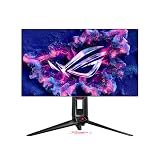
The ASUS ROG Strix XG27ACDNG is a 26.5-inch QD-OLED running at a blazing 360Hz with 0.03ms response, a custom heatsink, and OLED Care+. Its G-SYNC compatibility and 99% DCI-P3 color make it a dream for competitive players who want maximum speed with gorgeous OLED visuals.
LG 27GX704A-B UltraGear 240Hz
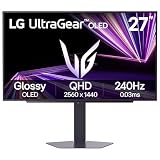
The LG 27GX704A is a 27-inch QHD OLED at 240Hz with 0.03ms response, G-SYNC compatibility, FreeSync Premium Pro, and VESA DisplayHDR TrueBlack 400. LG’s OLED panels are renowned for image quality, making this a superb balanced pick for both competitive and immersive gaming.
Samsung 27-inch Odyssey OLED G6 240Hz
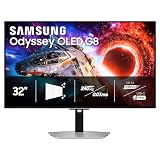
The Samsung Odyssey OLED G6 is a 27-inch QD-OLED at 240Hz with 0.03ms response, glare-free coating, HDR10, and OLED Safeguard protection. Pantone-validated color and a height-adjustable stand round out a premium package ideal for gamers who value color accuracy.
ASUS ROG XG27AQDMGR Glossy 240Hz
The ASUS ROG XG27AQDMGR is a 27-inch glossy OLED at 240Hz with a HyperClear-style panel, OLED Care Pro, a Neo Proximity Sensor, and DisplayHDR 400. Its TrueBlack glossy finish delivers stunning contrast, making it a top choice for immersive, vibrant visuals.
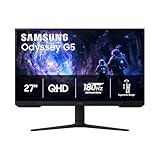
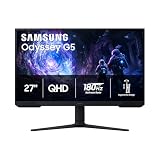
Samsung 27-inch Odyssey OLED G5 180Hz
The Samsung Odyssey OLED G5 offers a 27-inch QD-OLED at 180Hz with 0.03ms response, G-Sync compatibility, and FreeSync. It is a slightly more accessible entry into 1440p OLED, delivering the same gorgeous panel quality at a friendlier refresh rate and price.
Frequently Asked Questions
Is 1440p OLED better than 4K OLED?
For most gamers, yes. 1440p OLED delivers stunning image quality while being far easier to drive, letting you hit higher frame rates without a flagship GPU.
How much refresh rate do I need?
240Hz suits nearly everyone, while 360Hz, as on the ASUS ROG Strix, benefits competitive players. Even 180Hz OLED, like the Odyssey G5, feels wonderfully smooth.
Should I worry about OLED burn-in?
Modern OLEDs include care features like pixel shifting, heatsinks, and proximity sensors, seen across these models, which greatly reduce burn-in risk with normal use.
Glossy or matte OLED?
Glossy panels like the ASUS XG27AQDMGR offer deeper contrast and punchier color, while matte reduces reflections. Choose based on your room lighting and preference.
Final Thoughts
The best 1440p OLED gaming monitor blends OLED’s breathtaking contrast with easy-to-drive resolution. The ASUS ROG Strix XG27ACDNG leads for competitive 360Hz play, the LG 27GX704A is a balanced 240Hz standout, and the Samsung Odyssey OLED G5 is the value entry. Match the refresh rate to your GPU and enjoy the best of speed and picture quality.