Key takeaways
- Proximity: Pick a resolver with servers physically close to you, since distance directly determines lookup speed.
- Reliability: Choose a well-known public resolver with strong uptime so you are never stuck waiting on a failed lookup.
- Security features: Favor resolvers that support encrypted DNS over HTTPS or TLS to keep your queries private and resistant to tampering.
- Filtering options: Some resolvers block malware and ads at the network level, a useful bonus that can also reduce clutter on connected devices.
What's inside
When gamers chase lower ping, they usually reach for a faster internet plan or a new router, but one of the most overlooked levers is the humble DNS resolver. DNS is the system that translates the server names your games connect to into the numeric addresses your network actually uses, and a slow or distant resolver quietly adds delay to matchmaking, server browsing, and reconnects. In 2026, optimizing DNS is one of the cheapest ways to make your whole connection feel snappier.
This guide explains how DNS affects gaming, how to pick and apply a faster resolver, and how the right router hardware makes the whole process painless. Whether you play on console or PC, a few minutes of DNS tuning can shave latency off the parts of the experience you feel most.
As an Amazon Associate we earn from qualifying purchases at no extra cost to you. Product prices and availability are accurate as of the date shown and are subject to change.





⚡ Save on Your Next PC — Amazon Prime
Prime members get fast free shipping on the systems above, plus early access to Prime Day & Black Friday PC deals. New members get a 30-day free trial.
Watch: Best DNS For Gaming 2026 — Video Review
What DNS Actually Does for Your Games
Every time a game connects to a matchmaking service, patch server, or friend’s session, your device asks a DNS resolver to turn a hostname into an IP address. If that resolver is slow, overloaded, or geographically distant, each lookup adds latency before your game even starts talking to the server. A fast, nearby resolver returns answers in milliseconds, making menus, downloads, and server lists feel more responsive. DNS does not change your in-match ping once you are connected, but it heavily influences everything that happens before and around a match.
How to Choose a Faster DNS Resolver
- Proximity: Pick a resolver with servers physically close to you, since distance directly determines lookup speed.
- Reliability: Choose a well-known public resolver with strong uptime so you are never stuck waiting on a failed lookup.
- Security features: Favor resolvers that support encrypted DNS over HTTPS or TLS to keep your queries private and resistant to tampering.
- Filtering options: Some resolvers block malware and ads at the network level, a useful bonus that can also reduce clutter on connected devices.
Applying DNS Settings at the Router Level
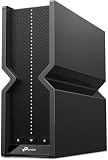
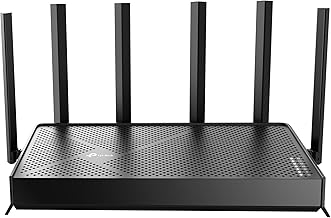
The most effective place to set a custom DNS resolver is your router, because it applies the change to every device on your network at once, including consoles that make DNS tuning awkward. A gaming-focused router with a clean interface makes this a two-minute job. The GL.iNet Flint 2, for example, runs OpenWrt and lets you set custom DNS and even encrypted DNS with a few clicks, while the TP-Link Archer AXE75 and Archer BE550 offer straightforward DNS fields in their apps. Setting DNS once at the router means you never have to repeat the process on each console or PC.
Hardware That Makes DNS Tuning Effortless
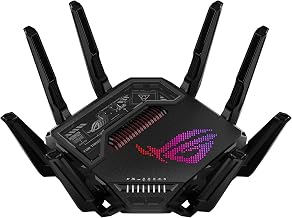
While any router can point to a custom resolver, gaming routers add features that compound the benefit. The TP-Link Archer GE650 includes a dedicated gaming panel and acceleration engine alongside its DNS controls, and the HYPEREV AX3000 markets itself as a game accelerator with lag-reduction tools that pair naturally with DNS optimization. If you want the cleanest control over resolvers and encrypted DNS, an OpenWrt-based unit like the Flint 2 gives you the most flexibility, while mainstream picks like the Archer BE550 keep things simple for players who just want to set it and forget it.
Frequently Asked Questions
Does changing DNS lower my in-game ping?
Not directly. DNS affects the speed of name lookups for matchmaking, downloads, and server lists, but once you are connected to a game server your ping is governed by routing and distance, not DNS.
Is it safe to use a public DNS resolver?
Reputable public resolvers are safe and often more reliable than a default ISP resolver. Choosing one that supports encrypted DNS over HTTPS or TLS adds privacy by hiding your lookups from third parties.
Should I set DNS on my console or my router?
The router is the better choice because it applies your resolver to every device automatically, including consoles where entering DNS manually is tedious. Setting it once on a router like the Flint 2 covers your whole household.
Will a gaming router improve DNS performance on its own?
A gaming router does not make a resolver faster, but features like caching, clean DNS controls, and acceleration engines on models such as the Archer GE650 make configuration easier and keep lookups efficient across all your devices.
Conclusion
Tuning your DNS is a low-effort, no-cost upgrade that makes matchmaking, downloads, and server browsing feel noticeably quicker. Choose a fast, nearby resolver that supports encryption, then apply it once at the router level using a capable unit like the GL.iNet Flint 2 or TP-Link Archer BE550 so every device benefits. It will not rewrite your in-match ping, but it removes friction from everything surrounding your games, and that polish is exactly what separates a sluggish setup from a responsive one.