Key takeaways
- Class-leading gaming frame rates thanks to 3D V-Cache
- Higher clocks than the 7800X3D from the redesigned cache layout
- Drops into existing AM5 boards with a BIOS update
- Unlocked for overclocking, unlike earlier X3D chips
What's inside
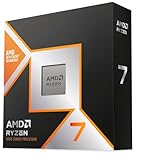
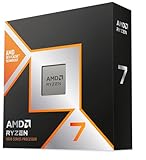
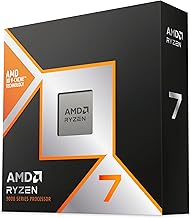
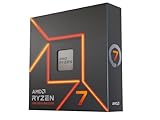
The AMD Ryzen 7 9800X3D is, for most of 2026, the processor that gaming builders benchmark everything else against. It stacks AMD’s second-generation 3D V-Cache onto eight Zen 5 cores, but this time places the cache beneath the compute die, which lets the chip clock higher than its predecessor while keeping the enormous L3 cache that makes games fly.
It is aimed squarely at the enthusiast who wants the best gaming frame rates money can reasonably buy without moving to a workstation-class part. If you pair a high-end GPU with a fast monitor and care most about smooth, chart-topping performance in games, with capable but not headline productivity chops on the side, the 9800X3D is built for you.
As an Amazon Associate we earn from qualifying purchases at no extra cost to you.



⚡ Save on Your Next PC — Amazon Prime
Prime members get fast free shipping on the systems above, plus early access to Prime Day & Black Friday PC deals. New members get a 30-day free trial.
Watch: Ryzen 7 9800X3D Review — Video Review
Design & Build
This is an eight-core, sixteen-thread AM5 processor, so it drops into existing AM5 boards after a BIOS update and works with standard DDR5 memory. The key architectural change is the reworked 3D V-Cache placement: putting the cache under the cores improves thermal transfer, which is why AMD could finally unlock overclocking and push clocks meaningfully higher than the 7800X3D. It runs hot under heavy load like any high-performance chip, so a strong 240mm or 360mm AIO or a large air cooler is the sensible pairing rather than a bundled cooler.
Performance
In gaming the 9800X3D is exceptional. The huge L3 cache keeps game data close to the cores, and combined with the higher clocks it delivers the highest or near-highest frame rates across a wide spread of titles, particularly at 1080p and 1440p where the CPU matters most. Paired with a top GPU it removes the processor as a bottleneck in all but the most extreme scenarios.
Productivity is the area to be honest about. Eight cores handle everyday creative and multitasking loads well, but heavily threaded workloads like large renders or code compilation favour chips with more cores. For a pure or gaming-first build that is a non-issue; for a machine that does serious content work all day, it is worth weighing.
Pros & Cons
- Class-leading gaming frame rates thanks to 3D V-Cache
- Higher clocks than the 7800X3D from the redesigned cache layout
- Drops into existing AM5 boards with a BIOS update
- Unlocked for overclocking, unlike earlier X3D chips
- Eight cores trail higher-core parts in heavy multithreading
- Runs hot and needs strong cooling, sold without a cooler
- Premium price over non-X3D eight-core alternatives
Alternatives to Consider
Buyers who also do heavy content creation should look at the AMD Ryzen 9 9950X3D, which pairs 3D V-Cache with sixteen cores for top gaming plus serious productivity. Those on a tighter budget can consider the previous-generation Ryzen 7 7800X3D, which still games brilliantly for less money. If gaming is not your sole focus, the standard Ryzen 7 9700X offers strong all-round Zen 5 performance without the cache premium.
Frequently Asked Questions
Do I need a new motherboard for the 9800X3D?
No. It uses the AM5 socket, so it works in existing AM5 boards after a BIOS update. Confirm your board’s support list before installing.
Does it come with a cooler?
No. Like other high-performance X3D chips it ships without a cooler and runs hot under load, so budget for a capable AIO or a large air cooler.
Is it worth upgrading from a 7800X3D?
The 9800X3D is faster, but the jump is incremental for gaming. It is a bigger win for new builds than for 7800X3D owners, who already have an excellent gaming chip.
Is eight cores enough for streaming while gaming?
Yes. Sixteen threads comfortably handle gaming plus streaming and background apps. It is only the heaviest sustained rendering and compiling workloads where more cores pull ahead.
Verdict
The AMD Ryzen 7 9800X3D is the clearest gaming-CPU recommendation of 2026: it delivers the frame rates enthusiasts want, slots into current AM5 platforms, and finally adds overclocking to the X3D formula. As long as you pair it with proper cooling and understand its gaming-first strengths, it is the processor to build a high-end gaming rig around.