Key takeaways
- Refresh rate over resolution: At this budget, a 144Hz 1080p panel will feel dramatically smoother than a 60Hz 1440p one. Prioritize 144Hz or higher and save the resolution upgrade for your next build.
- Panel type matters more than “1ms”: IPS panels give you noticeably better color accuracy and viewing angles than budget VA or TN alternatives. Response-time claims are measured inconsistently, so treat “1ms MBR” as a rough guide rather than a guarantee.
- Adaptive sync is non-negotiable: FreeSync or G-Sync Compatible support eliminates screen tearing without the input lag of V-Sync. It’s free on almost every modern monitor, so don’t settle for a panel that lacks it.
- Match the size to your desk depth: A 27-inch 1080p panel looks soft if you sit closer than about two feet. On a shallow desk, 22–24 inches usually delivers a sharper, more comfortable image.
- Check the stand and ports before you buy: Many budget monitors offer tilt only. If you need height adjustment or plan to wall-mount, confirm VESA compatibility and make sure there’s a DisplayPort input for full refresh-rate support.
What's inside
Shopping for a gaming monitor under $300 sounds simple until you start reading spec sheets. Marketing copy throws around numbers like 1ms, 144Hz, and HDR10 with almost no context, budget panels vary wildly in real-world color and motion performance, and a $150 screen and a $280 screen can look nearly identical on paper while feeling completely different in a fast-paced match. Add in the fact that most sub-$300 monitors are still 1080p in 2026, and it becomes hard to tell whether you’re paying for genuine performance or just a bigger bezel-free frame.
This guide cuts through that noise. We’ve focused on monitors that deliver a high refresh rate, low perceived motion blur, and adaptive sync at prices that leave room in your budget for a better GPU. Below you’ll find a quick buying checklist covering the specs that actually matter at this price point, hands-on style reviews of the top five picks, and answers to the questions we hear most from budget gamers. Every recommendation here realistically lands under $300 — many well under it.
As an Amazon Associate we earn from qualifying purchases at no extra cost to you. Product prices and availability are accurate as of the date shown and are subject to change.




⚡ Save on Your Next PC — Amazon Prime
Prime members get fast free shipping on the systems above, plus early access to Prime Day & Black Friday PC deals. New members get a 30-day free trial.
Watch: Best Gaming Monitor Under $300 — Video Review
How to Choose Gaming Monitor Under $300
- Refresh rate over resolution: At this budget, a 144Hz 1080p panel will feel dramatically smoother than a 60Hz 1440p one. Prioritize 144Hz or higher and save the resolution upgrade for your next build.
- Panel type matters more than “1ms”: IPS panels give you noticeably better color accuracy and viewing angles than budget VA or TN alternatives. Response-time claims are measured inconsistently, so treat “1ms MBR” as a rough guide rather than a guarantee.
- Adaptive sync is non-negotiable: FreeSync or G-Sync Compatible support eliminates screen tearing without the input lag of V-Sync. It’s free on almost every modern monitor, so don’t settle for a panel that lacks it.
- Match the size to your desk depth: A 27-inch 1080p panel looks soft if you sit closer than about two feet. On a shallow desk, 22–24 inches usually delivers a sharper, more comfortable image.
- Check the stand and ports before you buy: Many budget monitors offer tilt only. If you need height adjustment or plan to wall-mount, confirm VESA compatibility and make sure there’s a DisplayPort input for full refresh-rate support.
The Best Picks Reviewed
LG 27G414B-B UltraGear 27-Inch
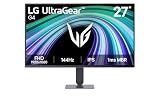
This is the pick we’d hand to most buyers: a 27-inch IPS panel with 144Hz, 1ms response, G-Sync Compatible and FreeSync support, plus a genuinely useful height-adjustable stand that’s rare at this price. Built-in speakers and a console-friendly input layout make it an easy dual-duty screen for PC and Switch players alike.
ASUS TUF Gaming VG249QE5A 24-Inch
ASUS pairs a fast IPS panel with Extreme Low Motion Blur Sync and Variable Overdrive, which together keep fast pans cleaner than most competitors in this bracket. The 146Hz overclock is a minor bonus, but the three-year warranty and DisplayWidget Center software are what make it feel like a step above generic budget fare.
LG 24G411A-B UltraGear 24-Inch
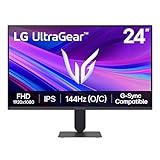
Essentially the compact sibling to our top pick, this 24-inch UltraGear delivers the same IPS color quality, 144Hz overclock, and dual G-Sync/FreeSync certification in a smaller, cheaper frame. The slim stand only tilts, so factor in a monitor arm if ergonomics matter to you.
MSI PRO MP243L E14 24-Inch
MSI’s PRO series splits the difference between office and gaming use, offering a 144Hz IPS panel with FreeSync, HDR Ready support, and a legacy VGA input that’s handy if you’re connecting older hardware. It’s VESA mountable with slim four-side bezels, making it a strong candidate for a multi-monitor setup on a tight budget.
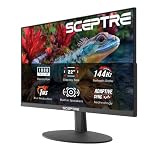
Sceptre E225W-FW144 22-Inch
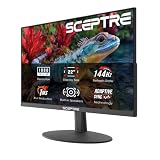
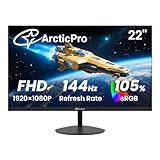
For the smallest budgets, Sceptre’s 22-inch delivers the essentials — up to 144Hz, HDMI and DisplayPort, and built-in speakers — without asking you to compromise on refresh rate. Color performance won’t match the IPS competition, but as a secondary screen or a first gaming monitor it’s remarkable value.
Frequently Asked Questions
Is 1080p still worth buying in 2026?
Under $300, yes. A 1080p 144Hz panel lets mid-range GPUs push high frame rates in competitive titles, whereas a budget 1440p monitor typically forces you to lower settings or accept a lower refresh rate.
Do I need G-Sync or is FreeSync enough?
FreeSync is enough for the vast majority of players. Most modern monitors — including several here — are certified G-Sync Compatible, which means NVIDIA cards can use the same variable refresh rate technology with no price premium.
Will a 144Hz monitor actually improve my aim?
It reduces motion blur and shortens the gap between frames, which makes tracking moving targets easier and more consistent. It won’t replace practice, but most players notice the difference immediately when moving up from 60Hz.
Should I use HDMI or DisplayPort?
Use DisplayPort on PC whenever it’s available, since it reliably supports the monitor’s maximum refresh rate. Reserve HDMI for consoles or as a secondary input.
Final Thoughts
If you want the most screen and the best ergonomics for the money, the LG 27G414B-B UltraGear is the standout choice and comfortably fits a $300 budget. Competitive players who prefer a tighter 24-inch view should look at the ASUS TUF VG249QE5A for its motion-clarity features and three-year warranty, while anyone building on a genuinely tight budget will find the Sceptre E225W-FW144 delivers the 144Hz fundamentals for a fraction of the price.