Key takeaways
- Two sticks, not one: A single stick runs in single channel and can cost you significant gaming performance versus a matched pair.
- Matched kits: Buy memory as a kit, like a 2x8GB or 2x16GB pair, so the sticks are tested to run together at rated speed.
- Populate correctly: Use the motherboard-recommended slots (usually slots 2 and 4) for proper dual-channel operation.
What's inside
RAM is one of the easiest components to get wrong, because more isn’t always better and the headline capacity number hides what actually matters: speed, timings, and running in dual channel. Too little memory causes stutter and long load screens, while overspending on capacity you’ll never touch is money that belonged in your GPU budget.
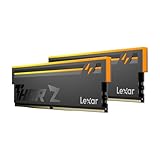
This guide cuts through the confusion to show how much RAM gaming truly needs in 2026, why DDR5 speed and dual-channel setup matter as much as size, and how to buy without waste. Popular kits like the CORSAIR Vengeance RGB DDR5 32GB and the Patriot Viper Venom DDR5 16GB illustrate the specs worth targeting for a fast, balanced system.
As an Amazon Associate we earn from qualifying purchases at no extra cost to you.




⚡ Save on Your Next PC — Amazon Prime
Prime members get fast free shipping on the systems above, plus early access to Prime Day & Black Friday PC deals. New members get a 30-day free trial.
Watch: How Much RAM Do You Need for Gaming in 2026? — Video Review
The Sweet Spot: 16GB vs 32GB
For pure 2026 gaming, 16GB of DDR5 remains enough for the vast majority of titles running on their own. But games are gradually asking for more, and if you keep a browser, Discord, and a streaming app open alongside, 32GB is the more comfortable, longer-lasting choice. A kit like the CORSAIR Vengeance RGB DDR5 32GB (2x16GB) has become the new default for anyone who wants headroom without overspending.
Speed Matters as Much as Capacity
DDR5 speed has a real, measurable impact on frame rates, especially with AMD Ryzen chips that thrive on fast memory. In 2026, DDR5-6000 is the value sweet spot for most platforms, balancing high bandwidth with stability. Chasing extreme speeds beyond that yields diminishing returns and can be harder to run reliably, so 6000MHz is where most gamers should aim.
Always Run Dual Channel
- Two sticks, not one: A single stick runs in single channel and can cost you significant gaming performance versus a matched pair.
- Matched kits: Buy memory as a kit, like a 2x8GB or 2x16GB pair, so the sticks are tested to run together at rated speed.
- Populate correctly: Use the motherboard-recommended slots (usually slots 2 and 4) for proper dual-channel operation.
Enable XMP or EXPO
Buying fast RAM is only half the job; out of the box, memory runs at a slow JEDEC default until you enable its performance profile in the BIOS. Turning on XMP (Intel) or EXPO (AMD) unlocks the rated speed and timings you paid for. Skipping this step is one of the most common reasons a build feels slower than its spec sheet promises.
Timings and When They Matter
Beyond speed, CAS latency (the CL number) affects how quickly memory responds. Lower is better, but the difference between, say, CL30 and CL36 at the same speed is modest for gaming. Prioritize the right capacity, DDR5-6000 speed, and dual channel first; treat tighter timings as a nice bonus rather than a deciding factor.
Tips
- Choose 32GB if you multitask or stream; 16GB is still fine for gaming-only builds.
- Target DDR5-6000 for the best real-world balance of speed and stability in 2026.
- Always buy a matched two-stick kit and run it in dual channel; never a single large stick.
- Enable XMP or EXPO in the BIOS or your fast RAM runs at slow default speeds.
Frequently Asked Questions
Is 16GB of RAM still enough for gaming in 2026?
For most games on their own, yes. But if you stream, keep many apps open, or want to stay comfortable for years, 32GB is the safer, more future-proof choice and no longer costs a premium.
Does RAM speed affect gaming performance?
Yes, noticeably on AMD Ryzen and in CPU-bound situations. DDR5-6000 is the sweet spot; going faster brings diminishing returns and can reduce stability, so it’s rarely worth the extra cost or hassle.
Why do I need two sticks instead of one?
Two matched sticks enable dual channel, effectively doubling memory bandwidth versus a single stick. That bandwidth translates directly into higher, smoother frame rates, so a 2x8GB kit beats a single 16GB stick for gaming.
What is XMP and do I have to enable it?
XMP (or EXPO on AMD) is a saved profile that runs your RAM at its advertised speed and timings. You must enable it in the BIOS; otherwise the memory defaults to a slower speed and you lose the performance you paid for.
Conclusion
Getting gaming RAM right is about balance, not just buying the biggest number: 16GB or 32GB of DDR5-6000 in a matched dual-channel kit, with XMP or EXPO switched on to unlock its rated speed. Nail those fundamentals and memory stops being a bottleneck and simply gets out of the way. Kits like the ones above make solid, well-priced starting points for a responsive 2026 build.