Key takeaways
- For maximum frame rates: AMD Ryzen X3D chips lead, especially in CPU-bound titles.
- For gaming plus streaming: Intel’s high core counts add multitasking headroom.
- For efficiency and cool builds: Ryzen runs cooler and sips less power.
- For value gaming: AMD’s Ryzen 5 and non-X3D chips offer strong performance per dollar.
- For future upgrades: AMD’s AM5 socket provides a longer upgrade path.
What's inside
When it comes to building a gaming PC, the CPU choice almost always boils down to one question: AMD Ryzen or Intel? Both brands make excellent processors, but in 2026 the gaming picture has become clearer than ever. AMD’s 3D V-Cache chips have carved out a commanding lead in frame rates, while Intel counters with strong all-around performance and productivity muscle. Understanding where each shines helps you build a gaming rig that delivers exactly what you want.
In this comparison we focus specifically on gaming, examining how AMD Ryzen and Intel processors stack up in frame rates, efficiency, platform value, and future upgrades. Drawing on popular chips from both camps, we will help you decide which processor deserves a spot at the heart of your next gaming build.
As an Amazon Associate we earn from qualifying purchases at no extra cost to you. Product prices and availability are accurate as of the date shown and are subject to change.


🎮 Get More From Your Setup — Free
Prime Gaming gives you free PC games every month, in-game loot, and a free Twitch channel sub — plus fast free shipping on all the gear above. New members get a 30-day free trial.
Watch: Amd Ryzen Vs Intel For Gaming: Full Comparison — Video Review
Quick Verdict
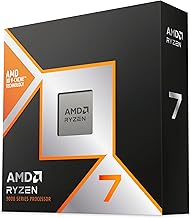
For pure gaming, AMD Ryzen holds the edge in 2026, led by 3D V-Cache chips like the Ryzen 7 9800X3D and 7800X3D that top the frame-rate charts while running efficiently. Intel remains a solid choice with strong performance and better multithreaded value in some tiers. If gaming is your priority, Ryzen X3D is the pick; if you want a gaming-and-productivity all-rounder, both brands compete closely.
AMD Ryzen for Gaming
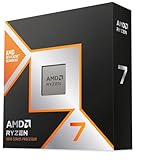
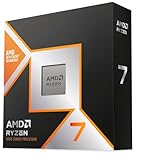
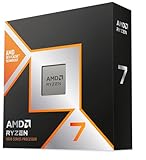
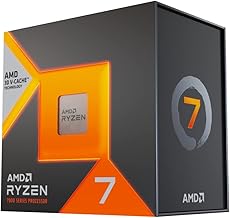
AMD’s gaming advantage comes down to 3D V-Cache. By stacking extra cache directly onto the cores, chips like the Ryzen 7 9800X3D and Ryzen 7 7800X3D feed games with fast, low-latency data that translates into the highest and most consistent frame rates, especially at 1080p and 1440p where the CPU matters most.
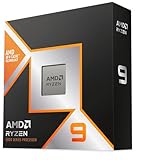
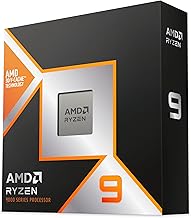
Beyond the X3D flagships, AMD offers strong value across the range. The Ryzen 5 9600X and Ryzen 7 7700X deliver excellent gaming performance at friendlier prices, and the Ryzen 9 9950X3D combines gaming prowess with 16 cores for creators. The AM5 platform also promises a long upgrade path, letting you swap in future chips without a new motherboard.
AMD’s chips are also efficient, running cooler and drawing less power, which makes them easier to cool and well suited to compact or quiet builds.
Intel for Gaming
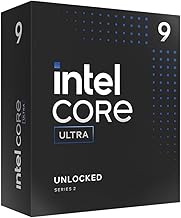
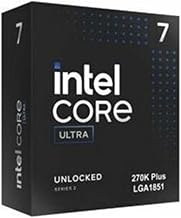
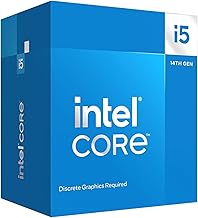
Intel processors remain highly capable gaming chips, comfortably driving high-refresh monitors and demanding titles. Their strength lies in balanced performance and, in the higher tiers, abundant cores that make them excellent for gamers who also stream, edit, or multitask heavily.
Intel enjoys wide availability in prebuilt systems and often competes aggressively on price in certain segments. For players whose PCs pull double duty as productivity workstations, Intel’s high core counts can tip the scales, offering strong gaming alongside serious multitasking headroom.
The trade-off is that in pure gaming, Intel’s flagships generally trail AMD’s cache-equipped chips, and they tend to draw more power and produce more heat under full load.
Head-to-Head: Which Should You Buy?
- For maximum frame rates: AMD Ryzen X3D chips lead, especially in CPU-bound titles.
- For gaming plus streaming: Intel’s high core counts add multitasking headroom.
- For efficiency and cool builds: Ryzen runs cooler and sips less power.
- For value gaming: AMD’s Ryzen 5 and non-X3D chips offer strong performance per dollar.
- For future upgrades: AMD’s AM5 socket provides a longer upgrade path.
Frequently Asked Questions
Is AMD really better than Intel for gaming?
In 2026, AMD’s 3D V-Cache chips lead in most gaming benchmarks, particularly at resolutions where the CPU is the bottleneck. Intel remains competitive but generally trails in pure gaming.
Do I need an X3D chip to game well?
No. Chips like the Ryzen 5 9600X and Ryzen 7 7700X, as well as Intel’s processors, game very well. X3D chips simply deliver the highest frame rates for enthusiasts.
Which is more efficient for gaming?
AMD Ryzen chips, especially the X3D models, are notably efficient, running cooler and using less power than comparable Intel flagships under gaming loads.
Does the platform affect my choice?
Yes. AMD’s AM5 offers a longer upgrade path, so if future CPU upgrades matter to you, that is a point in Ryzen’s favor.
Final Verdict
For gamers in 2026, AMD Ryzen is the smart default, with 3D V-Cache chips like the 9800X3D and 7800X3D delivering the best frame rates, excellent efficiency, and a long upgrade path. Intel stays competitive and is worth considering if you want a gaming PC that also handles heavy multitasking. Decide how much you value peak frame rates versus all-around versatility, and you will land on the right processor for your build.